
Tray styling is a powerful technique for transforming everyday spaces into visually stunning displays. From minimalist modern arrangements to elaborate holiday vignettes, trays offer a versatile platform for showcasing creativity and personal style. This guide delves into the art of tray styling, covering everything from choosing the right tray to mastering the perfect arrangement of accessories.
Mastering tray styling unlocks a world of possibilities for home decor and entertaining. Understanding the nuances of different tray materials, sizes, and shapes empowers you to curate displays that reflect your unique taste and aesthetic.
Introduction to Tray Styling
Tray styling, a sophisticated approach to arranging and presenting items on trays, has evolved from a simple utilitarian function to a versatile decorative art form. Its core principle lies in carefully curated arrangements, enhancing aesthetics and creating visual interest within any setting. From a minimalist display of a few key pieces to a meticulously arranged collection, tray styling offers a dynamic way to personalize spaces.Tray styling transcends the realm of mere organization.
It’s a method for elevating the visual appeal of any surface, whether it’s a coffee table, a kitchen countertop, or a dining table. The carefully selected items and arrangements on a tray act as focal points, drawing the eye and enhancing the overall ambiance of the room. The use of trays allows for flexibility and adaptability, enabling easy rearrangement and adjustment of the display based on the occasion or desired mood.
Tray Types and Materials
Trays come in a diverse range of materials, sizes, and shapes, each offering unique aesthetic qualities. Metal trays, often made from stainless steel, copper, or brass, lend a sleek, modern touch, while wooden trays provide a warm, natural feel. Ceramic trays, in various colors and designs, introduce a touch of elegance and craftsmanship. Glass trays, with their transparency, allow for the display of items while maintaining a sense of openness.
Beyond these common materials, trays can be crafted from resin, bamboo, or even woven materials, showcasing a wide array of options for various design styles. The choice of material directly influences the overall aesthetic and the visual impact of the tray.
Tray Sizes and Dimensions
The size and shape of a tray play a significant role in its functionality and aesthetic impact. Small trays, typically under 12 inches, are ideal for holding smaller items such as jewelry, keys, or a few decorative pieces. Medium-sized trays, ranging from 12 to 24 inches, are versatile, suitable for a variety of uses, including holding a book, a collection of candles, or serving snacks.
Large trays, exceeding 24 inches, are excellent for displaying larger items, serving food, or creating a visually impressive statement piece in a living room or dining area. The dimensions of a tray dictate the amount and type of items that can be displayed, influencing the visual narrative of the arrangement.
Versatility in Different Settings
Tray styling offers a remarkable degree of adaptability, enhancing a variety of settings. In the home, trays can elevate coffee tables, buffets, and sideboards. In a kitchen, they can beautifully organize spices, condiments, or serving dishes. In the dining room, trays can present tableware or individual serving dishes, elevating the presentation of a meal. For entertaining, trays are ideal for presenting appetizers, drinks, or desserts.
This versatility enables the seamless integration of tray styling into various spaces, regardless of their function.
History and Evolution of Tray Styling
Trays have been used for centuries, serving a practical function in organizing and transporting items. Their role has evolved from a simple utilitarian function to a decorative art form. From ancient civilizations using trays for serving and storing to modern interior designers utilizing them as decorative elements, trays have undergone a transformation. The integration of trays into modern design reflects a deeper appreciation for aesthetic presentation and visual appeal.
This evolution demonstrates the adaptability and enduring value of tray styling in shaping modern interior design.
Tray Styling Table
| Tray Type | Material | Typical Use Case |
|---|---|---|
| Small Serving Tray | Wood, Metal | Holding appetizers, desserts, or small decorative items |
| Large Serving Tray | Metal, Wood, Ceramic | Displaying decorative items, serving food for a party, or organizing kitchen items |
| Rectangular Tray | Metal, Wood | Versatile for displaying books, candles, or decorative objects; can be used for serving |
| Round Tray | Metal, Ceramic, Glass | Ideal for displaying small plants, candles, or arranging decorative items in a balanced arrangement |
Choosing the Right Tray
Selecting the perfect tray is more than just aesthetics; it’s about functionality and complementing the intended space. The right tray can elevate a tabletop display, seamlessly integrate into a room’s style, and enhance the overall experience. Consider the tray’s size, shape, color, material, and budget when making your choice. A thoughtful selection will ensure the tray complements the environment and serves its purpose effectively.Careful consideration of the tray’s dimensions, shape, and material is essential for achieving the desired effect.
Trays are not simply decorative elements; they are functional pieces that contribute to the overall aesthetic and practicality of a space. A tray’s ability to hold items and its visual harmony with the surrounding decor significantly impact the overall impression.
Factors to Consider When Choosing a Tray
Several key factors influence the ideal tray selection. Size, shape, color, material, and budget are crucial considerations. A tray’s dimensions directly affect its capacity and suitability for specific uses. The shape influences the tray’s visual appeal and how it integrates with the surrounding environment. Color choices can add vibrancy or create a calming atmosphere, while material selection determines the tray’s durability, texture, and overall aesthetic.
Budget constraints often play a significant role in the selection process.
Selecting a Tray Based on Intended Use
The intended use dictates the appropriate tray size and shape. A tray for holding appetizers will require a different size and shape than one for organizing jewelry. For instance, a shallow, rectangular tray is suitable for presenting a small selection of appetizers, while a deeper, round tray might be ideal for holding a variety of small items.
Tray Styles and Room Suitability
Different tray styles cater to diverse aesthetic preferences and room types. A modern, minimalist tray with clean lines might complement a contemporary living room, while a rustic, ornate tray could enhance a traditional dining area. Consider the overall style of the room when selecting the tray.
Comparing Tray Materials
The material of a tray significantly impacts its appearance and longevity. Wood trays offer a warm, natural aesthetic, while metal trays provide a sleek, contemporary look. Glass trays offer a transparent and versatile display option, while ceramic trays exude a sophisticated elegance.
Tray Style, Room Suitability, and Key Characteristics
| Tray Style | Room Suitability | Key Characteristics |
|---|---|---|
| Rustic | Dining rooms, kitchens, living rooms with a farmhouse or cabin aesthetic | Often made from wood, featuring natural textures and warm tones. Suitable for holding items like fruits, vegetables, and bread. |
| Modern | Living rooms, bedrooms, and offices with a contemporary feel | Characterized by clean lines, simple shapes, and neutral colors. Suitable for holding decorative items, books, and other essentials. |
| Vintage | Living rooms, bedrooms, and dining rooms with a touch of history | Often featuring antique finishes, intricate designs, and unique patterns. Suitable for displaying collectibles and heirlooms. |
| Geometric | Living rooms, dining rooms, and entryways | Characterized by angular and symmetrical shapes, often made from metal or wood. Suitable for holding small decorative items, or as a statement piece. |
Arranging Items on Trays
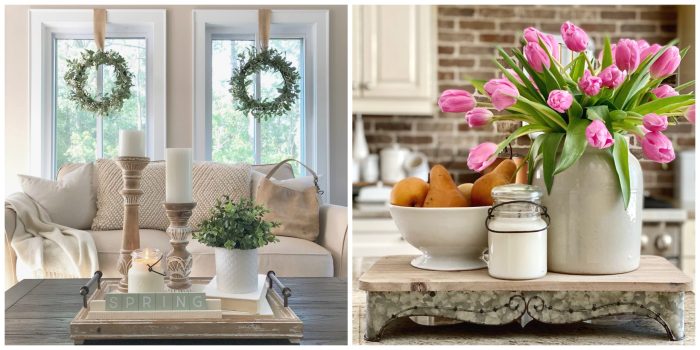
Mastering the art of tray styling goes beyond simply placing items on a surface. It’s about creating visual harmony and a sense of intentional design, reflecting a thoughtful aesthetic. A well-arranged tray can elevate the presentation of any space, from a kitchen counter to a coffee table.Effective tray arrangements require a keen eye for visual balance and a grasp of fundamental design principles.
Consider the interplay of shapes, sizes, textures, and colors to craft a cohesive and appealing composition. The strategic placement of items, the use of negative space, and the careful selection of accessories all contribute to the overall aesthetic impact.
Visual Balance and Composition
Achieving visual balance on a tray is crucial for a pleasing aesthetic. This involves distributing weight and visual interest evenly across the surface. Employing symmetry, asymmetry, or a combination of both can create a harmonious arrangement. A balanced tray feels visually stable and inviting. Consider the contrasting weight of items and use this to achieve equilibrium in the composition.
Arranging Items for a Pleasing Aesthetic
A variety of techniques can be employed to achieve a pleasing aesthetic. Layering items in graduated heights and textures adds depth and visual interest. Grouping items of similar shape, color, or function can create visual cohesion. Spacing items appropriately avoids overcrowding and allows each element to stand out. Strategically placed negative space adds a sense of calm and allows focal points to breathe.
Layering, Grouping, and Spacing
Layering involves arranging items in graduated heights, creating a sense of depth and visual interest. For example, a stack of books of varying thicknesses, placed next to a decorative bowl, can effectively create a layered effect. Grouping items of similar shape, color, or function creates a cohesive visual statement. Consider placing a set of candlesticks next to a collection of ceramic figurines.
Spacing items effectively avoids visual clutter and allows each piece to have a distinct identity. A strategically placed vase with a few sprigs of greenery can serve as a focal point and break up the visual weight.
Negative Space in Tray Styling
Negative space, the empty areas on a tray, is as important as the items placed within it. It creates visual breathing room, drawing attention to the items strategically positioned. The strategic use of negative space can highlight specific elements, allowing them to shine. For example, a single, large piece of artwork or a meticulously arranged collection of silverware can become the centerpiece when highlighted by ample negative space.
Examples of Tray Arrangements
| Arrangement Type | Description | Visual Characteristics |
|---|---|---|
| Symmetry | Items are placed in a mirrored arrangement on either side of the tray’s center. | Balanced, formal, and visually stable. |
| Asymmetry | Items are placed in an unbalanced, yet visually appealing arrangement, creating a dynamic feel. | Informal, unique, and often more engaging. |
| Layered | Items of varying heights are placed on top of each other, creating a sense of depth. | Intriguing, dimensional, and visually layered. |
| Grouped | Items of similar style or function are placed together, creating visual cohesion. | Cohesive, unified, and purposeful. |
Styling Trays for Different Occasions
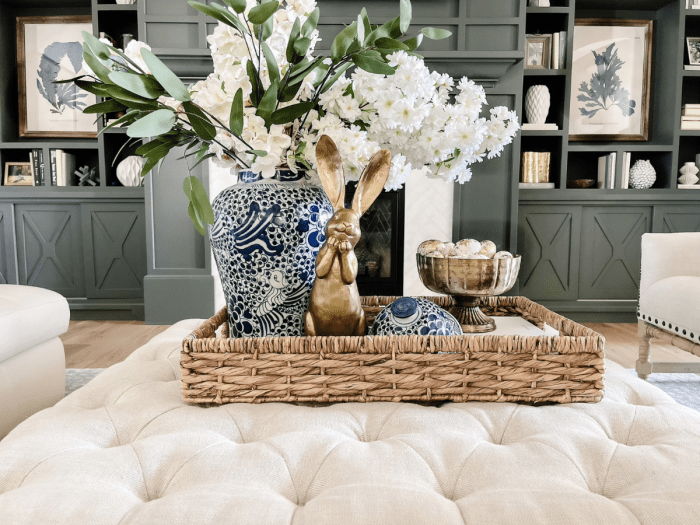
Trays, versatile and visually appealing, elevate any space. Beyond their practical function, trays offer a canvas for expressing personal style and tailoring aesthetics to specific contexts. This section delves into crafting tray presentations that resonate with different occasions, from the everyday to special events.Beyond their utilitarian function, trays can be powerful tools for enhancing ambiance and visual interest in any setting.
By carefully selecting the right tray and arranging appropriate items, you can create a curated aesthetic that perfectly aligns with the intended occasion.
Styling Trays for Everyday Use
Everyday tray styling emphasizes practicality and ease of access. The key is to create a functional display that complements your daily routine. For example, a small tray placed on a kitchen counter can hold utensils and spices, keeping the workspace tidy and visually appealing. Another example could be a tray on a bedside table, holding books and a reading lamp, turning a simple space into a welcoming haven.
Styling Tips for Holidays
Holiday trays are an excellent way to celebrate the season’s spirit. Consider the specific holiday and its color scheme. For example, a Thanksgiving tray could feature a muted palette of burnt orange, deep reds, and creamy whites, incorporating elements like fall foliage or gourds. Alternatively, a Christmas tray might embrace the rich hues of evergreen, gold, and silver, adorned with ornaments or miniature Christmas trees.
Styling Trays for Parties
Party trays should reflect the celebratory mood. Choose trays in vibrant colors that complement the party’s theme. For a summer barbecue, a tray might feature bright blues, greens, and yellows, with colorful fruit or summery floral arrangements. For a sophisticated cocktail party, a tray might incorporate sleek metallic finishes and elegant glassware, emphasizing a refined ambiance.
Styling Trays for Brunch
Brunch trays should prioritize practicality and visual appeal. Choose a tray that can accommodate all the necessary items, such as plates, silverware, and napkins. A tray with a light, neutral color palette is suitable for displaying a variety of brunch foods.
Styling Trays for Different Seasons
Seasonal variations provide ample opportunities to adapt tray styling. For example, spring trays might feature pastels and fresh flowers, reflecting the new growth of the season. Conversely, fall trays might use warm earth tones and autumnal elements, like pumpkins or gourds. Summer trays could showcase vibrant colors and fresh produce, while winter trays often feature rich colors and holiday decorations.
Creating a Cohesive Aesthetic Across Different Trays
Consistency in color palettes and styling elements creates a cohesive aesthetic across various trays. Consider a neutral color palette as a foundation and incorporate recurring elements like specific types of glassware, particular decorative items, or similar textures to unify different tray displays. By repeating certain elements across multiple trays, a unified style is achieved. For example, using the same type of serving dishes on several trays instantly creates a cohesive look.
Table: Tray Styling for Different Occasions
| Occasion | Color Palette | Key Styling Elements |
|---|---|---|
| Everyday | Neutral (beige, gray, white) | Utensils, spices, books, lamps |
| Holidays (Thanksgiving) | Muted (burnt orange, deep red, creamy white) | Fall foliage, gourds, candles |
| Parties (Summer Barbecue) | Vibrant (blues, greens, yellows) | Colorful fruits, summer flowers, serving platters |
| Brunch | Light neutral (cream, beige, light gray) | Plates, silverware, napkins, food |
| Spring | Pastels (pink, light blue, lavender) | Fresh flowers, light-colored plates, spring produce |
Incorporating Colors and Textures
Elevating a tray arrangement transcends mere functionality; it transforms it into a captivating visual statement. Color and texture play pivotal roles in achieving this aesthetic appeal, adding depth and interest to the presentation. Understanding how to strategically incorporate these elements can significantly enhance the overall impact of any tray styling.Effective tray styling hinges on a nuanced understanding of color theory and texture pairings.
Colors can evoke specific moods and associations, while textures contribute tactile interest, drawing the eye and enhancing the visual narrative. Combining complementary colors with contrasting textures can create dynamic and engaging displays.
Color Palette Selection
Color palettes are fundamental to tray styling. Choosing the right palette can either elevate or detract from the overall aesthetic. A thoughtfully chosen color scheme creates a harmonious and cohesive look, whereas an ill-considered one can disrupt the visual balance. Understanding color theory principles allows for deliberate and intentional selections. Complementary colors, positioned opposite each other on the color wheel, create a vibrant contrast.
Analogous colors, situated next to each other on the color wheel, produce a harmonious and cohesive effect.
Texture Integration
Texture adds depth and dimension to tray arrangements. Combining different textures can create visual interest and a layered aesthetic. Smooth surfaces, like polished glass or ceramic, can be contrasted with textured elements such as woven placemats or rough-hewn wooden pieces. This juxtaposition of contrasting textures creates a dynamic interplay of visual elements. A layered approach, where textures are stacked and intermingled, further elevates the presentation.
Color and Texture Combinations
A range of color and texture combinations can enhance tray aesthetics. Consider these examples:
- A deep teal tray featuring smooth ceramic accents paired with a woven placemat, adds a sense of tranquility and sophistication.
- A warm, terracotta tray with rough-hewn wooden accents juxtaposed with smooth, polished glass elements provides a sense of earthy warmth and modern elegance.
- A silver tray with brushed metal accents paired with a textured linen napkin and delicate crystal pieces creates a sophisticated and timeless look.
Creating a Layered Look
Layering textures is crucial in tray styling. This involves arranging items in a manner that creates visual depth and interest. Start with a base layer, perhaps a tray or a surface cloth. Then, introduce mid-level elements, such as bowls or decorative pieces. Finally, add the top layer, which could consist of smaller objects, such as candles or flowers.
This technique establishes a clear hierarchy and visual flow.
Color Palette and Texture Suggestions
The table below showcases example color palettes and corresponding texture suggestions for tray styling:
| Color Palette | Texture Suggestions |
|---|---|
| Muted Greens and Browns | Woven baskets, rough-hewn wood, linen napkins |
| Soft Blues and Whites | Polished ceramic, glass, woven placemats, linen napkins |
| Vibrant Reds and Oranges | Rough-hewn wood, leather, textured fabrics, metallic accents |
| Earthy Tones (Terracotta, Taupe) | Natural fibers, linen, wood, stone, ceramic |
Lighting and Display
Beyond the aesthetic arrangement of objects, the strategic use of lighting dramatically elevates a tray’s presentation. Proper illumination can transform a simple display into a captivating focal point, drawing attention to specific elements and evoking desired moods. Well-chosen lighting enhances the perceived value and artistry of the items on display, whether it’s a curated collection of fine china or a thoughtfully assembled arrangement of seasonal blooms.
Impact of Lighting on Tray Styling
Lighting profoundly influences the overall impression of a tray display. Soft, diffused light creates a warm and inviting atmosphere, while brighter, focused light highlights specific items, drawing the eye to key focal points. The interplay of light and shadow can also sculpt the three-dimensional forms of objects, adding depth and visual interest. This manipulation of light and shadow is crucial for emphasizing the textures and details of the items being displayed.
Highlighting Items with Strategic Lighting
Strategic placement of light sources is paramount for accentuating specific items on a tray. A focused spotlight or a lamp positioned at a slight angle can draw attention to a unique piece of pottery, a vintage book, or a striking piece of jewelry. The key is to avoid harsh, direct light, which can wash out colors and create unwanted shadows.
Instead, use light sources that softly illuminate the items, showcasing their beauty and craftsmanship.
Utilizing Candles, Lamps, and Other Light Sources
Candles, lamps, and other light sources offer versatile options for enhancing tray displays. Candles, particularly in varying heights and shades, can provide a warm, ambient glow, while strategically placed lamps can create a focused spotlight effect. Fairy lights or string lights can add a touch of whimsy or elegance, depending on the occasion and desired ambiance. Consider the size and shape of the tray when choosing appropriate lighting.
A smaller tray might benefit from a single, delicate candle, while a larger tray can accommodate multiple sources for a more dramatic effect.
Creating Different Moods with Lighting
The use of lighting can dramatically shift the mood and atmosphere of a tray display. Soft, warm light, often provided by candles or warm-toned lamps, evokes a cozy and intimate feel, perfect for a dinner party or a relaxed evening at home. Brighter, cooler light, such as from a well-placed spotlight, can create a more modern and contemporary ambiance.
Experiment with different light sources and intensities to find the ideal lighting scheme for your specific needs and aesthetic preferences.
Table of Lighting Options and Their Effects
| Light Source | Effect | Suitable Occasion |
|---|---|---|
| Candles (warm-toned) | Cozy, intimate, romantic | Dinner parties, intimate gatherings, relaxed evenings |
| Table lamps (adjustable) | Focused highlight, modern | Dining areas, modern living spaces, special events |
| Fairy lights/string lights | Whimsical, festive, elegant | Holidays, parties, romantic settings |
| Spotlights | Dramatic highlight, contemporary | Art exhibitions, showcasing unique items, special events |
Accessories and Elements
Elevating a tray’s aesthetic beyond its simple function requires thoughtful selection of accessories. The right additions transform a functional surface into a captivating display, reflecting personal style and enhancing the occasion. Careful consideration of materials, colors, and themes is key to creating a cohesive and visually appealing presentation.Accessories are the finishing touches that elevate a tray’s aesthetic beyond its simple function.
They transform a functional surface into a captivating display, mirroring personal style and enhancing the occasion. A well-chosen collection of elements can seamlessly blend with the tray’s design and purpose.
Choosing Enhancing Accessories
Selecting accessories that complement the tray and occasion is crucial. Consider the tray’s material, color, and size when choosing objects to add. A delicate, ornate tray might be best paired with elegant candles and flowers, while a simple, modern tray could showcase a collection of books or decorative objects.
Incorporating Candles
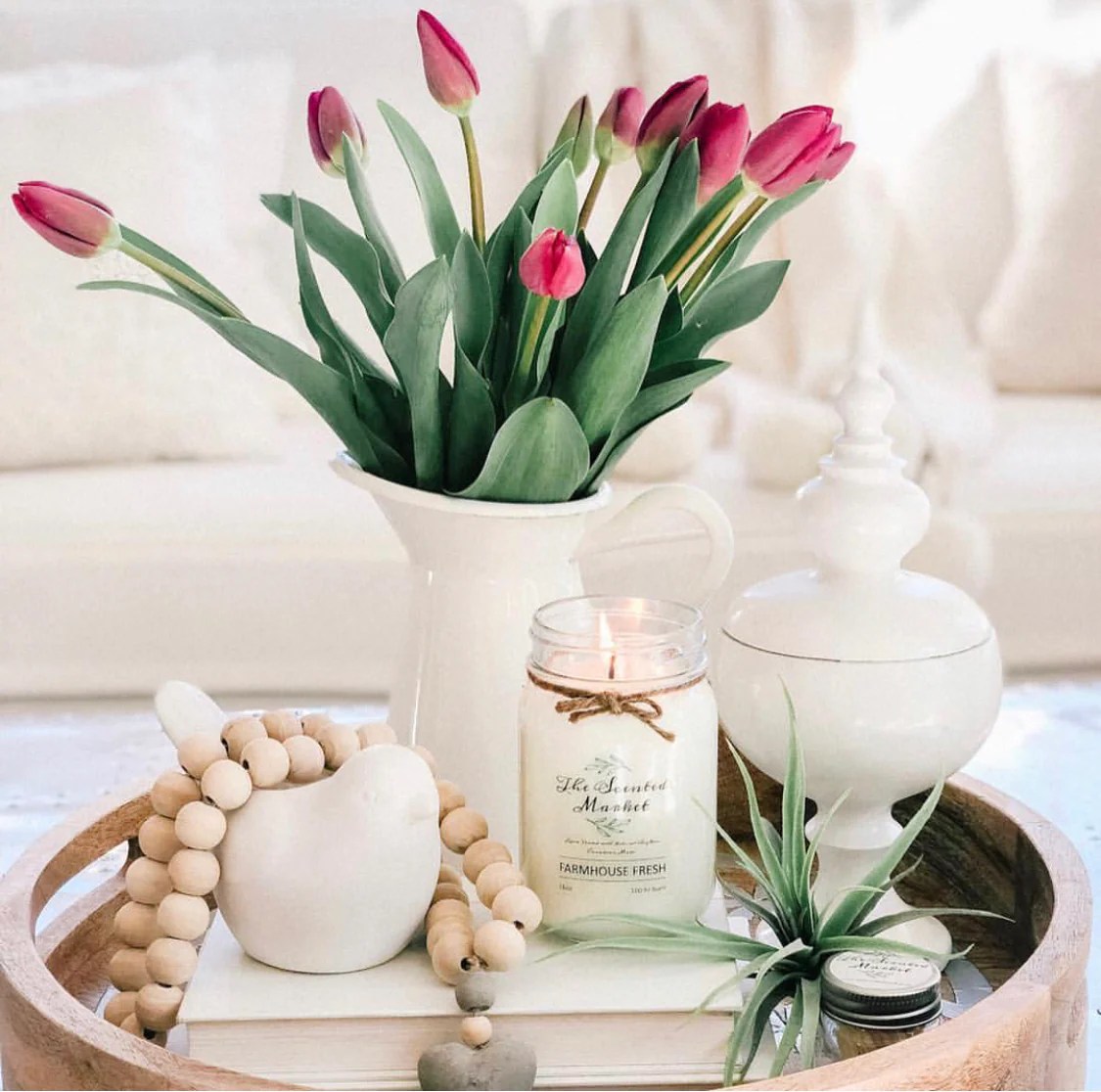
Candles are versatile accessories that add warmth, ambiance, and visual interest to any tray display. Their soft glow creates a serene and inviting atmosphere. Scented candles can enhance the overall experience, while pillar candles offer a dramatic focal point. The choice of candle depends on the tray’s size and the desired mood. For example, a small, ornate tray might be perfect for a single, elegantly sculpted pillar candle, whereas a larger tray could accommodate a cluster of votive candles in varying heights and colors.
Using Flowers and Plants
Fresh flowers or botanical arrangements bring a touch of nature and vibrancy to tray styling. They add color, texture, and a sense of freshness. Consider the seasonality of flowers, their color palette, and their overall form. For instance, a spring-themed tray could feature a bouquet of tulips and daffodils, while a summer display might include sunflowers and hydrangeas.
These elements can be a powerful way to tie the tray styling to the occasion, whether it’s a birthday, anniversary, or simply a relaxing evening at home.
Adding Books and Other Items
Books, art prints, or other decorative items can add depth and personality to a tray display. Their weight and texture provide visual interest and can be strategically placed to balance the overall composition. Books in different sizes and colors create a sense of layered interest. A tray display featuring a collection of favorite books or a curated selection of vintage postcards adds a touch of personal flair.
A curated selection of art prints can elevate a tray display to a more sophisticated and personalized level.
Personal Touches and Cohesive Themes
Personal touches are key to making a tray display truly special. Include items that hold personal significance or represent meaningful memories. This could be a family heirloom, a cherished photo, or a handwritten note. These personal touches add a unique character and make the tray more than just an object; it becomes a representation of personal style.
When incorporating personal touches, consider how to create a cohesive theme. A collection of vintage postcards or photographs can easily be combined with a specific color palette or style to create a visually appealing and cohesive theme. For example, a tray dedicated to a favorite travel destination might feature postcards, small souvenirs, and a miniature map.
Maintaining the Look
Preserving the visual appeal of a tray display requires consistent effort and attention to detail. Proper cleaning and care, combined with strategic item rotation, ensure your tray arrangements remain fresh and engaging. This proactive approach prevents displays from becoming stagnant and maintains the aesthetic impact intended.
Cleaning and Caring for Tray Materials
Maintaining the pristine condition of trays involves understanding their specific material composition. Different materials require distinct cleaning methods to prevent damage and maintain their original luster. Ignoring these differences can lead to scratches, discoloration, or even damage to the tray’s structural integrity.
- Wood Trays: Avoid harsh chemicals and abrasive cleaners. A soft cloth dampened with warm water and a mild dish soap solution is typically sufficient. Dry thoroughly with a soft cloth, and consider using a wood-specific sealant to protect against moisture damage and maintain a polished finish. Avoid excessive moisture to prevent warping or cracking.
- Metal Trays: For stainless steel or other metal trays, a similar method of warm soapy water and a soft cloth is generally effective. For tarnished or stubborn marks, a gentle metal polish can be used, following the product’s instructions carefully. Avoid abrasive cleaners that could scratch the surface.
- Glass Trays: Glass trays benefit from warm soapy water and a soft cloth, ensuring no abrasive residue remains. For stubborn marks or dried spills, a glass cleaner can be used, again following the manufacturer’s instructions. Rinse thoroughly and dry with a lint-free cloth.
- Ceramic Trays: Ceramic trays can be cleaned with warm soapy water and a soft cloth. Avoid harsh scrubbing that might scratch the surface. For persistent stains, a specialized ceramic cleaner might be needed.
Maintaining the Overall Aesthetic
The aesthetic of a tray display hinges on its consistency. Regular checks for dust accumulation, stray items, or uneven arrangements will ensure a visually appealing and polished presentation. A simple wipe-down or rearrangement can make a significant difference. Consistency in the placement of items and the overall composition contributes to the desired impression.
Rotating Items for Freshness
To prevent a tray display from becoming monotonous, rotating items is crucial. Regularly swapping out items or arranging them in a different pattern keeps the display fresh and exciting. This dynamic approach maintains viewer interest and encourages a renewed appreciation for the items on display.
| Tray Material | Cleaning Tips |
|---|---|
| Wood | Use a soft cloth dampened with warm water and mild dish soap. Dry thoroughly. Consider a wood sealant. |
| Metal (Stainless Steel) | Warm soapy water and a soft cloth. Gentle metal polish for stubborn marks. Avoid abrasive cleaners. |
| Glass | Warm soapy water and a soft cloth. Glass cleaner for stubborn marks. Rinse thoroughly and dry with a lint-free cloth. |
| Ceramic | Warm soapy water and a soft cloth. Avoid harsh scrubbing. Use a specialized cleaner for persistent stains. |
Real-World Examples
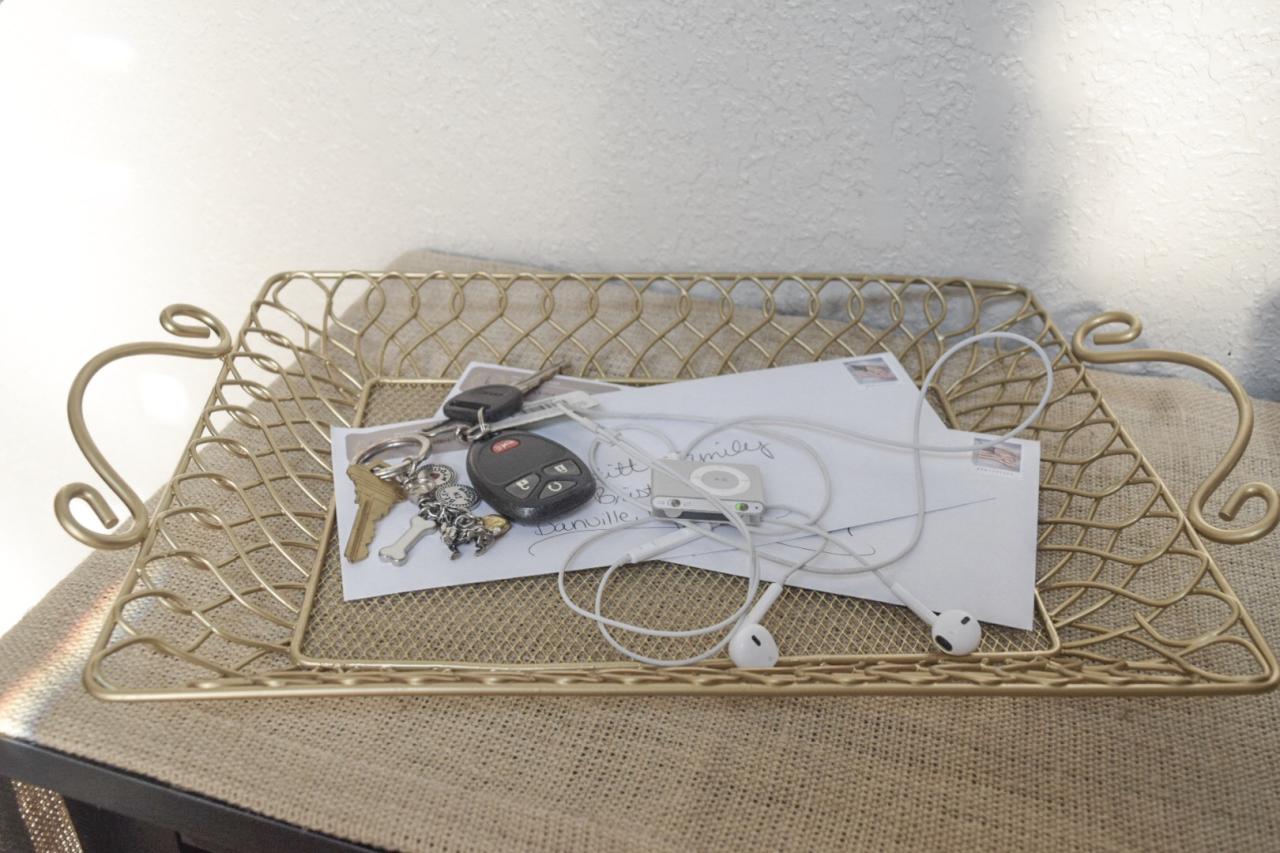
Tray styling transcends mere practicality; it’s a powerful design tool for enhancing any space. By thoughtfully selecting trays and arranging their contents, homeowners can elevate the visual appeal of their interiors, creating distinct moods and atmospheres. This section explores diverse tray styling applications across various interior design aesthetics.Interior design styles often dictate the aesthetic of tray displays. The same tray can be transformed from a simple serving piece to a captivating focal point, depending on the style chosen.
Consider the color palettes, textures, and shapes that resonate with the desired ambiance.
Modern Tray Styling
Modern tray styling embraces clean lines, minimalist aesthetics, and a focus on geometric shapes. A tray in a neutral color like matte black or brushed nickel, paired with sleek, modern objects, will convey a sense of sophistication and order. Consider a grouping of minimalist vases, a stack of polished books, and a sculptural candleholder. The mood evoked is one of calm sophistication, with an emphasis on understated elegance.
Trays in these styles can be placed on coffee tables, side tables, or even as decorative elements in a living room. The key is in selecting pieces that enhance the space without overwhelming it with too much visual noise.
Bohemian Tray Styling
Bohemian tray styling embraces a more relaxed and eclectic approach. Trays in natural materials like woven rattan or wood, combined with patterned textiles, decorative trinkets, and potted succulents, create a warm and inviting atmosphere. The mood is one of effortless charm and a touch of whimsy. These trays can be placed on windowsills, entryways, or even used as a centerpiece on a dining table.
The focus is on layering textures and creating a visually rich and dynamic display.
Farmhouse Tray Styling
Farmhouse tray styling incorporates rustic charm and a natural aesthetic. Trays in weathered wood or distressed metal, coupled with items like vintage-inspired pottery, dried flowers, and rustic candlesticks, bring a touch of warmth and nostalgia to a room. The mood is one of relaxed comfort and a connection to nature. A farmhouse-style tray can be placed on a kitchen island, a dining table, or even used as a unique storage solution in a bedroom.
The emphasis is on creating a cozy and inviting ambiance with a nod to traditional charm.
Tray Displays in Different Rooms
| Room | Tray Styling Idea | Mood |
|---|---|---|
| Kitchen | Use a tray to hold a collection of artisanal spices, a set of kitchen utensils, or a selection of fresh herbs. | Adds a touch of elegance and organization to the kitchen. |
| Bathroom | Place a tray on a vanity to hold luxurious bath products, candles, and a decorative bowl of flowers. | Creates a spa-like ambiance, showcasing beauty and relaxation. |
| Living Room | A tray placed on a coffee table can hold a few carefully selected books, a small decorative bowl, and a stylish candle. | Creates a focal point and adds a sense of sophistication to the living room. |
The visual impact of a tray display hinges on thoughtful curation. A well-styled tray can transform a simple object into a captivating centerpiece, drawing the eye and setting a particular tone. Careful selection of items, colors, and textures ensures a harmonious blend that complements the room’s overall aesthetic.
Beyond the Basics
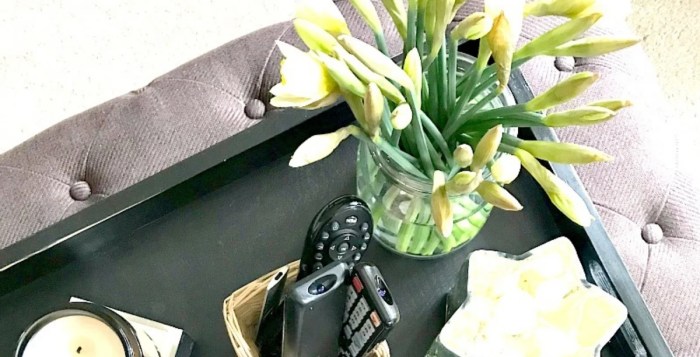
Elevating tray styling from a simple presentation to a sophisticated display requires a nuanced understanding of advanced techniques. This involves more than just arranging objects; it’s about crafting a narrative, employing unique elements, and anticipating trends to create truly memorable presentations. The key is to transform the tray into a dynamic canvas, showcasing not only the items but also the stylist’s artistic vision.Mastering advanced tray styling unlocks opportunities to curate custom displays that reflect personal taste and cater to specific events.
From incorporating unexpected materials to utilizing lighting for dramatic effect, the possibilities are vast. Trends in tray styling often mirror broader design movements, evolving to reflect current aesthetics and the latest in creative expression.
Advanced Tray Styling Techniques
Advanced tray styling goes beyond the fundamentals by focusing on the interplay of visual elements, textures, and lighting. This entails experimenting with unconventional combinations, unexpected materials, and unique arrangements. Understanding the balance between these elements is critical to creating a visually engaging and harmonious presentation.
Incorporating Unique Elements
Integrating unusual items and materials can significantly elevate a tray’s aesthetic appeal. For example, incorporating a sculptural piece, a vintage-style book, or a collection of unusual plant cuttings can add depth and personality to the display. The selection of unique elements should complement the tray’s style and the occasion for which it is intended. A minimalist tray might feature a single, striking piece of artwork, while a more elaborate one could showcase a curated collection of objects.
Creating Custom Tray Displays
Custom tray displays allow for a more personalized and artistic approach. This involves selecting materials and items that reflect a specific theme or mood. For instance, a tray for a romantic dinner might feature a collection of candles, delicate glassware, and fresh flowers, while a tray for a corporate presentation might incorporate sleek, modern objects with a focus on minimalist aesthetics.
The goal is to tell a story through the arrangement, connecting the tray’s presentation with the intended message.
Trending Styles in Tray Styling
Several trends are shaping the contemporary approach to tray styling. The resurgence of mid-century modern design influences is evident in the use of geometric shapes, warm wood tones, and subtle color palettes. Sustainable and eco-conscious practices are also gaining prominence, with an emphasis on natural materials and handcrafted pieces. A growing trend is also incorporating personal touches and unique stories into the tray’s design, turning it into a narrative rather than a simple presentation.
Advanced Tray Styling Ideas
| Advanced Tray Styling Idea | Implications |
|---|---|
| Layered Arrangements | Creates visual depth and interest. |
| Incorporating Mirrors and Glassware | Adds reflective surfaces and light, potentially creating an illusion of space. |
| Using Unexpected Materials | Adds textural and visual contrast, creating a unique look. |
| Integrating Natural Elements | Brings warmth, organic shapes, and visual interest. |
| Utilizing Lighting | Emphasizes specific elements, creates ambiance, and impacts the overall mood. |
| Combining Geometric and Organic Shapes | Provides a striking balance between structured and free-flowing aesthetics. |
| Emphasizing Personal Touches | Connects the display with the user’s personality, creating a memorable presentation. |
Final Review
In conclusion, tray styling is a dynamic and adaptable design technique. By considering the interplay of materials, accessories, and lighting, you can craft a captivating visual narrative within any space. From everyday use to special occasions, trays offer a simple yet impactful way to enhance your home decor and elevate the experience for guests.
