
The food industry, a global network feeding billions, faces a persistent threat: bacterial contamination. This invisible enemy, ranging from *Salmonella* to *E. coli*, wreaks havoc on public health and the economy. This piece delves into the specific bacterial culprits, their insidious methods of attack, and the far-reaching consequences of their presence in our food supply. We’ll explore the intricate dance between bacteria and food, tracing the pathways of contamination from farm to table.
The stakes are high. Foodborne illnesses result in hospitalizations, recalls, and eroded consumer trust. Understanding the nature of these threats is paramount for the food industry and public health officials. This examination moves beyond mere identification, scrutinizing the economic toll, the public health challenges, and the innovative strategies employed to combat these microscopic adversaries.
Which specific bacterial species are frequently responsible for causing significant foodborne illnesses and economic losses?
The food industry faces a constant battle against microscopic threats. Bacterial contamination remains a significant source of foodborne illnesses, leading to public health crises, product recalls, and substantial economic burdens. Understanding the specific bacterial culprits, their sources, and the mechanisms of contamination is crucial for effective prevention and control strategies. This knowledge allows food producers and regulatory bodies to implement targeted measures, minimizing the risk to consumers and safeguarding the integrity of the food supply chain.
Specific Bacterial Species and Their Risks
Several bacterial species are notorious for their ability to cause significant harm within the food industry. These microorganisms can contaminate food products at various stages, from farm to table, through different routes such as cross-contamination, inadequate cooking, and improper storage. The impact of these bacteria extends beyond individual illnesses, contributing to large-scale outbreaks that can cripple food businesses and erode consumer trust.
Here are the top five bacterial culprits, their associated illnesses, and the foods most commonly linked to outbreaks:
| Bacterial Species | Associated Illnesses | Foods Commonly Linked to Outbreaks | Common Sources & Methods of Contamination |
|---|---|---|---|
| Salmonella | Salmonellosis (gastroenteritis) | Eggs, poultry, meat, fruits, vegetables | Contamination from animal sources, cross-contamination in processing facilities, improper cooking, contaminated water used for irrigation or washing. |
| Escherichia coli (E. coli) O157:H7 | Hemorrhagic colitis, hemolytic uremic syndrome (HUS) | Undercooked ground beef, leafy greens, sprouts, unpasteurized milk and juice | Fecal contamination of produce, inadequate cooking, cross-contamination from raw meat, contaminated water sources. |
| Listeria monocytogenes | Listeriosis (septicemia, meningitis) | Ready-to-eat meats, soft cheeses, smoked fish, unpasteurized dairy products | Can grow at refrigeration temperatures, survives in food processing environments, cross-contamination from equipment and surfaces. |
| Campylobacter jejuni | Campylobacteriosis (gastroenteritis) | Undercooked poultry, raw milk, contaminated water | Common in poultry, transmitted through improper handling and cooking of poultry products, contaminated water. |
| Clostridium botulinum | Botulism (paralysis) | Improperly canned foods, vacuum-packed or modified atmosphere packaged foods, honey (infants) | Toxin production in anaerobic environments, inadequate processing and storage, contamination of raw ingredients. |
Specific examples highlight the devastating impact of these bacteria.
* Salmonella: In 2008, a widespread Salmonella outbreak linked to contaminated peanut butter from the Peanut Corporation of America (PCA) sickened over 700 people and resulted in nine deaths across the United States. The outbreak led to a massive recall and significantly damaged the company’s reputation and financial stability.
* E. coli O157:H7: A 2006 outbreak in the United States, caused by contaminated spinach, sickened over 200 people and resulted in three deaths. The outbreak triggered a nationwide recall and prompted stricter regulations for leafy green production.
* Listeria monocytogenes: In 2011, a Listeria outbreak linked to cantaloupe in the United States caused 33 deaths. The outbreak was traced back to a single farm and highlighted the importance of proper sanitation and food safety practices in the produce industry.
* Campylobacter jejuni: While less frequently reported in major outbreaks compared to other pathogens, Campylobacter is a very common cause of food poisoning. Outbreaks are often linked to contaminated poultry.
* Clostridium botulinum: Outbreaks of botulism, although relatively rare, are extremely serious. In 2007, a botulism outbreak in the United States was linked to commercially canned chili. This outbreak caused several hospitalizations and emphasized the importance of proper canning and food preservation techniques.
What are the primary mechanisms by which these bacteria contaminate food products and spread to consumers?
Foodborne illnesses, a significant public health concern, often stem from bacterial contamination. Understanding how these microorganisms infiltrate the food supply chain is crucial for preventing outbreaks and safeguarding consumer health. The journey from farm to fork presents numerous opportunities for bacteria to contaminate food products, necessitating stringent hygiene and sanitation practices throughout the process.
Contamination Pathways in Food Production and Processing
The food industry’s complexity introduces multiple points where bacterial contamination can occur. From initial agricultural practices to final packaging, each stage demands vigilance to minimize the risk of foodborne pathogens reaching consumers. Maintaining high standards of hygiene and sanitation is paramount in mitigating these risks.
- Agricultural Production: Contamination can originate at the source. This includes:
- Water Sources: Irrigation water contaminated with pathogens like *E. coli* O157:H7 or *Salmonella* can directly contaminate crops such as leafy greens and fruits. For instance, in 2018, an *E. coli* outbreak linked to romaine lettuce was traced back to contaminated irrigation water in California.
- Manure and Fertilizers: The use of improperly composted manure as fertilizer can introduce *Salmonella* and *Listeria monocytogenes* to produce, potentially affecting the safety of fresh produce.
- Animal Contact: Produce in fields can come into direct contact with animal feces, which are often reservoirs of foodborne pathogens.
- Processing and Manufacturing: The food processing environment itself can harbor and spread bacteria. This involves:
- Equipment Surfaces: Inadequate cleaning and sanitization of food processing equipment (e.g., conveyor belts, slicers, mixers) can lead to the formation of biofilms, providing a breeding ground for bacteria like *Listeria monocytogenes*.
- Cross-Contamination: Raw materials can contaminate finished products if proper separation protocols are not followed. For example, raw poultry can contaminate ready-to-eat foods if handled on the same surfaces or with the same utensils.
- Employee Hygiene: Poor handwashing practices and inadequate personal hygiene among food handlers are major contributors to contamination. Norovirus outbreaks are frequently linked to food handlers.
- Packaging and Distribution: The final stages of the food supply chain are also vulnerable. This includes:
- Packaging Materials: Packaging materials can introduce bacteria if they are not properly sterilized or stored.
- Temperature Control: Maintaining the correct temperature throughout the distribution chain is crucial. Improper refrigeration allows for bacterial growth, especially in perishable foods. *Clostridium botulinum* can proliferate in improperly stored canned goods.
- Transportation: Transport vehicles can become contaminated and spread pathogens.
Bacterial Virulence Factors and Their Impact on Illness
Bacteria employ various virulence factors to cause illness in humans. These factors enable bacteria to colonize, invade, and damage host tissues, leading to foodborne diseases. Understanding these mechanisms is key to developing effective prevention and treatment strategies.
- Toxins: Bacteria produce toxins that can cause a range of symptoms.
- Enterotoxins: These toxins, produced by bacteria such as *Staphylococcus aureus* and some strains of *Bacillus cereus*, act on the intestinal lining, leading to vomiting, diarrhea, and abdominal cramps. For example, *Staphylococcus aureus* produces a heat-stable enterotoxin that can cause rapid onset of illness.
- Cytotoxins: These toxins, such as Shiga toxins produced by *E. coli* O157:H7, damage host cells, leading to severe complications, including hemolytic uremic syndrome (HUS).
- Neurotoxins: *Clostridium botulinum* produces botulinum toxin, a potent neurotoxin that causes botulism, a potentially fatal paralytic illness.
- Adhesion Mechanisms: Bacteria must adhere to host cells to establish an infection.
- Pili and Fimbriae: These surface structures enable bacteria to attach to specific receptors on host cells. *Salmonella* uses fimbriae to adhere to the intestinal lining.
- Adhesins: Various proteins and other molecules mediate bacterial attachment to host cells.
- Invasion Mechanisms: Some bacteria can invade host cells, allowing them to spread and cause more severe infections.
- Invasion Proteins: Certain bacteria, like *Listeria monocytogenes*, produce proteins that promote cellular invasion.
How do these harmful bacteria impact the food industry in terms of economic consequences and public health concerns?
Foodborne bacteria pose a significant threat to both the financial stability of the food industry and the overall health of the public. The repercussions of contamination are far-reaching, encompassing substantial economic losses and a considerable burden on healthcare systems. Understanding these impacts is crucial for developing effective prevention and mitigation strategies.
Economic Costs Associated with Foodborne Illnesses
Foodborne illnesses trigger a cascade of economic consequences, impacting businesses and the broader economy. These costs are multifaceted and can be substantial, often leading to significant financial strain on affected companies.
The costs include:
- Product Recalls: Recalling contaminated products is an expensive undertaking. It involves removing the product from shelves, investigating the source of contamination, and potentially destroying the affected inventory. This process can lead to significant losses in revenue and damage a company’s reputation. For instance, in 2018, a major romaine lettuce recall due to E. coli contamination cost the industry millions of dollars.
- Legal Liabilities: Foodborne illnesses can result in lawsuits from consumers who become ill. Companies may face significant legal fees, settlements, and payouts if found liable for causing illness. These legal costs can be crippling, especially for smaller businesses.
- Healthcare Expenses: The treatment of foodborne illnesses places a considerable burden on healthcare systems. This includes the costs of doctor visits, hospitalizations, medications, and long-term care for individuals who experience complications. These costs are often borne by both individuals and public health programs.
- Loss of Consumer Confidence: Outbreaks of foodborne illnesses can erode consumer trust in food brands and the food supply chain. This loss of confidence can lead to decreased sales, reduced market share, and long-term damage to a company’s brand image. Rebuilding consumer trust can be a lengthy and costly process.
- Increased Food Safety Measures: To prevent future outbreaks, food businesses often need to invest in enhanced food safety measures, such as improved sanitation practices, employee training, and more rigorous testing protocols. While these measures are essential, they add to the operational costs of food production.
Public Health Challenges Posed by These Bacteria
The presence of harmful bacteria in food presents several public health challenges, extending beyond immediate illness. These challenges include the strain on healthcare systems, the potential for long-term health complications, and the disproportionate impact on vulnerable populations.
- Burden on Healthcare Systems: Foodborne illnesses can overwhelm healthcare facilities, particularly during outbreaks. Increased hospitalizations, emergency room visits, and the need for specialized medical care can strain resources and potentially limit access to care for other patients.
- Potential for Long-Term Health Complications: Some foodborne infections can lead to serious and long-lasting health problems. For example, Salmonella infections can sometimes result in reactive arthritis, while E. coli O157:H7 can cause hemolytic uremic syndrome (HUS), a life-threatening condition that can lead to kidney failure.
- Impact on Vulnerable Populations: Certain groups are more susceptible to severe complications from foodborne illnesses. These include young children, the elderly, pregnant women, and individuals with weakened immune systems. These groups are at higher risk of hospitalization, serious complications, and even death.
According to the Centers for Disease Control and Prevention (CDC), foodborne illnesses in the United States cause an estimated 48 million illnesses, 128,000 hospitalizations, and 3,000 deaths each year. The economic impact is estimated to be over $15.6 billion annually.
What are the most effective methods and strategies employed by the food industry to control and prevent bacterial contamination?
The food industry employs a multifaceted approach to combat bacterial contamination, focusing on proactive measures throughout the entire food production chain. This involves stringent hygiene protocols, advanced preservation techniques, and comprehensive food safety management systems. These strategies are crucial for protecting public health and maintaining consumer confidence in food products.
Food Safety Practices and Control Measures
The cornerstone of food safety lies in implementing robust practices and control measures designed to minimize bacterial risks. These include comprehensive sanitation protocols, meticulous employee training, and the adoption of food safety management systems like Hazard Analysis and Critical Control Points (HACCP).
- Hazard Analysis and Critical Control Points (HACCP) Systems: HACCP is a systematic, science-based approach to food safety. It identifies potential hazards at specific points in the food production process, known as Critical Control Points (CCPs), where control can be applied to prevent or eliminate the hazard. This proactive approach is far more effective than relying solely on end-product testing.
- Seven Principles of HACCP: The HACCP system is based on seven key principles:
- Conduct a hazard analysis.
- Determine the Critical Control Points (CCPs).
- Establish critical limits.
- Establish monitoring procedures.
- Establish corrective actions.
- Establish verification procedures.
- Establish record-keeping and documentation procedures.
- Sanitation Protocols: Strict sanitation protocols are essential for maintaining a hygienic food processing environment. This includes regular cleaning and sanitizing of equipment, work surfaces, and facilities. The effectiveness of sanitation programs relies on the use of appropriate cleaning agents and sanitizers, along with consistent monitoring to ensure compliance.
- Cleaning vs. Sanitizing: Cleaning removes visible dirt and debris, while sanitizing reduces the number of microorganisms to a safe level. Both steps are crucial for effective sanitation.
- Employee Training Programs: Properly trained employees are critical to food safety. Training programs should cover topics such as personal hygiene, proper food handling techniques, and the importance of following sanitation procedures. Regular training and refresher courses are essential to maintain a high level of food safety awareness.
- Handwashing: Proper handwashing is one of the most effective ways to prevent the spread of bacteria. Employees should wash their hands thoroughly with soap and water for at least 20 seconds before handling food, after using the restroom, and after any activity that could contaminate their hands.
Comparative Analysis of Food Preservation Techniques
Food preservation techniques play a vital role in inhibiting bacterial growth and extending the shelf life of food products. Different techniques are effective against various bacterial species, and each has its own limitations.
- Refrigeration: Refrigeration slows down the growth of bacteria by lowering the temperature. This is a common and widely used method, but it does not kill bacteria; it only slows their multiplication.
- Effectiveness: Effective against most bacterial species, but some, like *Listeria monocytogenes*, can still grow at refrigeration temperatures.
- Limitations: Does not eliminate bacteria; shelf life is limited.
- Pasteurization: Pasteurization involves heating food to a specific temperature for a set period to kill harmful microorganisms, including many bacteria. This technique is commonly used for milk, juices, and other liquid products.
- Effectiveness: Highly effective against most vegetative bacterial cells but may not kill bacterial spores.
- Limitations: May affect the taste and nutritional value of the food.
- Irradiation: Food irradiation involves exposing food to ionizing radiation to kill bacteria, parasites, and insects. This method can extend shelf life and reduce the risk of foodborne illnesses.
- Effectiveness: Effective against a broad range of bacteria, including *Salmonella* and *E. coli*.
- Limitations: Consumer acceptance can be a barrier; may cause slight changes in food texture or flavor.
HACCP Plan Flowchart Illustration
The HACCP plan provides a structured approach to food safety. The following flowchart illustrates the steps involved in a typical HACCP plan. Each step is crucial for identifying and controlling potential hazards.
HACCP Plan Flowchart:
The HACCP plan starts with the “Conduct a Hazard Analysis,” which involves identifying potential hazards, such as biological, chemical, or physical hazards, that may be present in the food product. This analysis includes assessing the severity of each hazard and the likelihood of its occurrence.
Next, the HACCP team determines the “Critical Control Points (CCPs).” CCPs are points in the process where control can be applied to prevent or eliminate a food safety hazard or reduce it to an acceptable level. Examples include cooking, chilling, or metal detection.
After identifying the CCPs, the plan moves on to “Establish Critical Limits” for each CCP. Critical limits are the maximum or minimum values to which a biological, chemical, or physical hazard must be controlled at a CCP to prevent, eliminate, or reduce the hazard to an acceptable level. For example, the critical limit for cooking temperature might be 165°F (74°C) for poultry.
“Establish Monitoring Procedures” involves setting up procedures to monitor the CCPs to ensure that the critical limits are being met. Monitoring can involve visual observations, temperature checks, or chemical tests. Monitoring records should be accurate and readily available.
If a critical limit is not met, “Establish Corrective Actions” are necessary. These are steps to be taken when a deviation occurs at a CCP. Corrective actions should include identifying the cause of the deviation, taking steps to correct the problem, and preventing it from happening again.
“Establish Verification Procedures” is the next step. Verification activities confirm that the HACCP system is working effectively. This includes reviewing records, conducting audits, and taking samples for testing. Verification helps ensure that the HACCP plan is being followed and is effective in controlling hazards.
Finally, the plan requires to “Establish Record-keeping and Documentation Procedures.” Accurate and complete records are essential for demonstrating that the HACCP system is in place and is being followed. Records should include the hazard analysis, CCPs, critical limits, monitoring data, corrective actions, and verification activities.
What are the current trends and emerging technologies being developed to combat bacterial threats in the food supply chain?
The food industry is constantly evolving, and so are the methods used to protect the food supply from harmful bacteria. Technological advancements are playing a crucial role in enhancing food safety, offering faster, more accurate detection methods, innovative packaging solutions, and even genetic approaches to create safer food products. These developments are critical in addressing the persistent challenge of foodborne illnesses and minimizing economic losses.
Advancements in Rapid Detection Methods
Rapid and accurate detection of bacterial contamination is vital for preventing outbreaks and ensuring consumer safety. Significant progress has been made in developing technologies that drastically reduce the time needed for testing and improve the reliability of results.
- Polymerase Chain Reaction (PCR): PCR technology has revolutionized food safety testing. It works by amplifying specific DNA sequences from bacteria, allowing for the detection of even trace amounts of pathogens. This process is significantly faster than traditional culture-based methods, which can take several days. Modern PCR systems can provide results within hours, enabling quicker response times to potential contamination events. For example, a food processing plant might use PCR to screen incoming raw materials for *Salmonella* or *E. coli*, allowing them to reject contaminated batches before they enter the production line.
- Biosensors: Biosensors represent a cutting-edge approach to bacterial detection. These devices use biological components, such as antibodies or enzymes, to detect the presence of specific bacteria. When the target bacteria bind to the sensor, a signal is generated, indicating contamination. Biosensors can be highly sensitive and specific, capable of detecting very low levels of pathogens. Various types exist, including electrochemical, optical, and piezoelectric biosensors. Their portability and ease of use make them suitable for on-site testing in food processing facilities and retail environments. For example, a biosensor could be used to quickly assess the safety of fresh produce, providing real-time information to prevent contaminated products from reaching consumers.
Application of Antimicrobial Packaging and Novel Sanitizing Agents
Innovative packaging and sanitization strategies are being developed to reduce bacterial growth and extend the shelf life of food products, contributing to a safer and more sustainable food supply.
- Antimicrobial Packaging: This technology involves incorporating antimicrobial agents into food packaging materials. These agents can either be released from the packaging to kill or inhibit bacterial growth on the food surface or act as a barrier to prevent contamination. Common antimicrobial agents include silver nanoparticles, essential oils, and bacteriophages. This approach is particularly effective for perishable foods like meat, poultry, and seafood, where bacterial growth is a significant concern. The benefits include extending shelf life, reducing food waste, and enhancing food safety. For instance, packaging containing silver nanoparticles could be used for pre-packaged salads to inhibit the growth of *Listeria monocytogenes*, a common foodborne pathogen.
- Novel Sanitizing Agents: The food industry is continuously seeking new sanitizing agents that are more effective, safer, and environmentally friendly. These agents are used to disinfect food processing equipment, surfaces, and even the food itself. Examples include electrolyzed water, ozone, and bacteriophages. Electrolyzed water, produced by passing electricity through a salt solution, is a powerful disinfectant that can kill bacteria, viruses, and fungi. Ozone, a strong oxidizing agent, is used to sanitize surfaces and equipment in food processing facilities. Bacteriophages, viruses that specifically target and kill bacteria, are being explored as a natural and effective way to control bacterial contamination. The development of these novel agents is driven by the need to minimize the use of harsh chemicals, reduce the risk of chemical residues on food, and combat the growing threat of antibiotic-resistant bacteria.
Use of Genetic Engineering to Create Crops Resistant to Bacterial Contamination
Genetic engineering offers the potential to create crops that are inherently resistant to bacterial contamination, offering a proactive approach to food safety. This approach involves modifying the genetic makeup of plants to enhance their defenses against pathogens.
- Potential Benefits:
- Reduced Pesticide Use: Genetically engineered crops with enhanced resistance to bacterial infections may require fewer pesticide applications, leading to reduced chemical residues on food and a lower environmental impact.
- Increased Crop Yields: Crops that are resistant to bacterial pathogens can produce higher yields, contributing to food security and economic benefits for farmers.
- Enhanced Food Safety: By preventing bacterial contamination in the field, genetically engineered crops can improve the safety of food products from the outset.
- Ethical Considerations and Disadvantages:
- Potential for Allergenicity: The introduction of new genes into crops could potentially create new allergens, posing risks to sensitive individuals. Rigorous testing is necessary to assess the allergenic potential of genetically modified crops.
- Unintended Environmental Consequences: The release of genetically modified crops into the environment could have unforeseen effects on ecosystems, such as the development of herbicide-resistant weeds or the impact on non-target organisms.
- Public Acceptance: There is public concern and debate surrounding the safety and ethical implications of genetically modified foods. Transparency and clear communication are crucial for building trust and ensuring public acceptance of this technology.
- Intellectual Property Rights: The development and use of genetically engineered crops are often subject to intellectual property rights, which can limit access to these technologies for small farmers and developing countries.
Wrap-Up
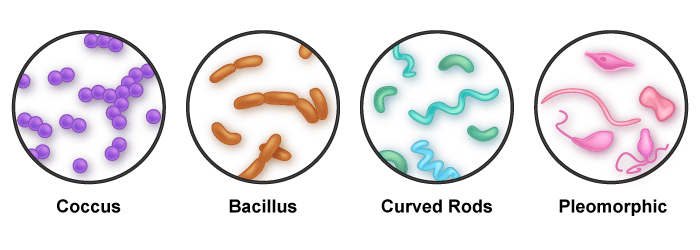
From the insidious spread of bacteria to the advanced technologies designed to stop them, the food industry’s battle against contamination is ongoing. This exploration highlights the crucial role of robust food safety practices, cutting-edge detection methods, and the continuous pursuit of safer, more sustainable food production. The fight against bacterial threats demands constant vigilance, innovation, and collaboration across the entire food supply chain.
