
From subtle sonic enhancements to dramatic aesthetic upgrades, speaker stands play a crucial role in any audio system. This comprehensive guide delves into the intricacies of speaker stands, exploring their diverse types, optimal placement strategies, and impact on sound quality. Choosing the right speaker stand is key to unlocking the full potential of your audio setup.
This exploration examines the pivotal relationship between speaker stands and room acoustics, offering practical advice on selecting the perfect stand for your specific needs and room configuration. We’ll uncover the nuances of various materials, designs, and setup procedures to guide you in achieving the best possible audio experience.
Speaker Stand Types
Speaker stands, often overlooked, play a crucial role in audio setups. They elevate speakers, optimizing sound dispersion and reducing unwanted vibrations that can negatively impact sound quality. Selecting the right speaker stand is paramount for achieving a balanced and immersive listening experience. Choosing between various types, materials, and features is essential for achieving desired audio performance.Speaker stands are not merely decorative elements; they are integral components in audio systems.
Their design and construction directly influence sound quality and the overall listening experience. Understanding the nuances of speaker stands—from materials to adjustability—allows users to make informed decisions for their audio setups.
Speaker Stand Classification
Speaker stands are broadly categorized based on their adjustability and construction. Fixed stands offer a stable, often more affordable option, while adjustable stands provide flexibility for optimizing the listening position and acoustic characteristics of the room. Understanding the distinct features of each type enables the user to select the most appropriate solution for their needs.
Adjustable vs. Fixed Speaker Stands
Adjustable speaker stands offer significant advantages in terms of setup flexibility. They allow for precise placement and positioning to match the specific acoustic environment. The ability to adjust height and tilt optimizes sound dispersion and reduces reflections, leading to a more balanced and natural listening experience. However, this flexibility comes with a potential increase in price.Fixed speaker stands, in contrast, offer a more straightforward and often more budget-friendly solution.
They provide a stable platform for speakers, minimizing vibrations and ensuring consistent sound reproduction. Their lack of adjustability, however, limits the user’s ability to tailor the soundstage to specific room characteristics.
Speaker Stand Materials and Sound Quality
The material used in speaker stand construction plays a significant role in sound quality and stability. Wood, while aesthetically pleasing, may introduce resonance issues, which can negatively affect audio clarity. Metal, on the other hand, generally provides greater stability and reduces vibrations, improving the clarity and precision of the sound. Materials like high-density composite materials can combine desirable properties of both wood and metal, achieving a balance of aesthetic appeal and acoustic performance.The selection of materials also influences the overall stability of the speaker stands.
A heavier material like steel or a robust composite provides greater resistance to vibrations, crucial for accurate sound reproduction. Conversely, lighter materials might require a more substantial base to maintain stability, potentially impacting the visual appeal of the speaker setup.
Comparison of Speaker Stand Types
| Speaker Stand Type | Material | Height Adjustability | Weight Capacity |
|---|---|---|---|
| Adjustable Wooden Stand | Wood | Yes | Medium |
| Fixed Metal Stand | Metal (e.g., steel, aluminum) | No | High |
| Adjustable Composite Stand | Composite material (e.g., high-density fiberboard) | Yes | Medium-High |
Speaker Stand Design Considerations
Choosing the right speaker stand design is crucial for optimizing audio performance. The interplay between stand design, speaker placement, and room acoustics significantly affects the listener’s experience. Careful consideration of these factors leads to a more immersive and balanced sound. Ignoring these elements can result in a less than ideal listening experience, characterized by muddled or uneven sound reproduction.Speaker stands, beyond simply supporting speakers, actively participate in shaping the sonic landscape.
They act as intermediaries, influencing the sound waves’ journey from the speaker to the listener. The material, height, stability, and aesthetic elements of the stands all contribute to the overall listening experience.
Impact of Speaker Stand Height on Sound Quality
Speaker stand height directly affects the sound’s directional characteristics and the overall frequency response. Higher stands can create a more focused and spacious soundstage, while lower stands may result in a warmer, more intimate listening environment. Experimentation with different heights often reveals the ideal listening position for optimal sound quality. Different speakers and listening preferences dictate the optimal height.
Speaker Stand Stability and Audio Performance
Stable speaker stands are essential for accurate sound reproduction. Instability introduces unwanted vibrations and resonances that degrade audio quality. A wobbly stand can manifest as a muddy bass response, or a less defined midrange. A solid and rigid stand structure is crucial for maintaining the integrity of the sound. The material and construction of the stand directly influence its stability.
Heavy-duty stands made of solid materials, like high-quality wood or metal, are preferred for optimal stability and consistent sound quality.
Influence of Speaker Stand Aesthetics on the Overall Audio System
While aesthetics are subjective, the design and finish of speaker stands can complement or detract from the overall aesthetic of an audio system. A well-designed stand can seamlessly integrate with the room’s decor and enhance the overall visual appeal. Conversely, poorly designed stands can become an eyesore, disrupting the harmony of the room. Matching the stand’s color, material, and style with the speakers and the room’s decor is often recommended.
Design Considerations for Speaker Stands in Various Room Setups
Speaker stand design must adapt to the room’s dimensions and acoustic characteristics. In small rooms, shorter, more compact stands might be more suitable to prevent the sound from being overly reflected, while larger rooms can accommodate taller stands that can project sound further. Careful consideration of the room’s dimensions and the desired sonic characteristics are key to optimizing speaker placement and stand selection.
Room size influences the type and height of speaker stand required for optimal sound.
Role of Speaker Stand Weight and Effect on Sound Reproduction
Speaker stand weight significantly impacts stability and sound reproduction. Heavier stands generally offer better stability, reducing unwanted vibrations and improving bass response. However, excessively heavy stands might introduce their own resonant frequencies. A balance between stability and weight is essential for achieving optimal audio performance. The choice of material and construction plays a significant role in determining the stand’s weight.
Experimentation and comparison are key to finding the ideal weight and stability for a particular speaker and listening environment.
Speaker Stand Placement

Optimal speaker placement is crucial for achieving a well-balanced and immersive audio experience. Proper positioning not only affects the perceived stereo image and soundstage but also interacts significantly with room acoustics, impacting the overall sound quality. Ignoring these factors can lead to a less than satisfying listening experience, regardless of the speaker quality.Careful consideration of speaker stand placement is a critical component of achieving a high-fidelity audio setup.
The position of the speaker stands significantly impacts the soundstage width and stereo imaging, as well as the overall room acoustics. This influence extends beyond the immediate listening area, affecting the sound quality throughout the room.
Speaker Stand Position and Stereo Imaging
Speaker placement directly affects the perceived width and depth of the soundstage. A correctly positioned speaker setup will create a convincing and spacious soundstage, allowing instruments and voices to appear more realistic in their spatial relationship. Conversely, poor placement can lead to a narrow, congested soundstage, where instruments and vocals appear closer together, reducing the immersive experience.
Effects of Speaker Stand Height on Soundstage
The height of the speaker stands, in conjunction with the listener’s position, plays a crucial role in the perceived stereo image. Adjusting the speaker height can help align the soundstage with the listener’s ears, enhancing the sense of presence and realism. Experimentation with different heights is crucial to optimize this effect.
Measuring and Adjusting Speaker Stand Placement
Precise measurements are essential for achieving optimal speaker placement. Using a measuring tape and a reference point, such as a wall corner or a designated listening position, allows for accurate positioning of the speaker stands. Adjusting the stands involves small increments, and careful listening and observation are crucial for assessing the impact of each change.
Speaker Stand Placement and Room Acoustics
The interaction between speaker stands and room acoustics is paramount. Reflections from walls and other surfaces can negatively impact sound quality. Proper placement of speaker stands can mitigate these reflections, reducing unwanted coloration and improving clarity. Understanding the room’s dimensions and shape is key to achieving a well-balanced acoustic environment.
Examples of Room Setups and Optimal Speaker Stand Positions
| Room Setup | Speaker Stand Position | Acoustic Considerations |
|---|---|---|
| Small Room (e.g., 10′ x 12′) | Speaker stands positioned closer to the walls, maintaining a minimum distance to avoid reflections, and ensuring an equal distance from the listening position. | Minimize reflections from the front and side walls. Maintain an appropriate distance from the rear wall to prevent comb filtering. |
| Medium Room (e.g., 15′ x 20′) | Speaker stands positioned at a distance that creates a balanced soundstage. The distance between the speakers and the listening position should be calculated based on the desired soundstage width and room dimensions. | Ensure a balanced soundstage without excessive reflections. Consider the impact of reflections from the side and rear walls. |
| Large Room (e.g., 20′ x 30′) | Speaker stands positioned further apart, maintaining a balanced and wider soundstage. The distance between the speakers should be significantly larger to accommodate the larger space and ensure clarity. | Maximize the soundstage width without compromising clarity or creating excessive reverberation. Carefully consider reflections from the side and rear walls. |
Speaker Stand Setup Procedures
Proper speaker stand setup is crucial for achieving optimal audio performance. Ignoring these procedures can lead to uneven sound distribution, reduced clarity, and potential damage to your speakers or the surrounding environment. Careful attention to detail during setup will significantly enhance your listening experience.Careful installation of speaker stands is paramount to ensure a stable and secure audio setup.
This involves a series of steps from initial placement to final adjustment, all aimed at maximizing the speaker’s potential. Following the detailed procedures below guarantees a well-balanced and consistent sound output, avoiding potential damage to your speakers and equipment.
Speaker Stand Installation Procedures
The speaker stand installation process involves several key steps to ensure stability and optimal audio performance. Begin by selecting a level and stable surface for the stands. Improper placement can result in an unstable setup, potentially leading to speaker damage or sound distortion.
- Surface Preparation: Inspect the surface where you plan to place the stands. Ensure it’s level, stable, and free from any obstructions that might compromise the stands’ stability. Consider using a spirit level to accurately check for levelness. Uneven surfaces can lead to instability and compromise the overall sound quality.
- Stand Assembly: Carefully follow the manufacturer’s instructions for assembling the speaker stands. Ensure all parts are securely fastened and aligned according to the provided diagrams. Misaligned parts can lead to wobbly stands, compromising the audio output and potentially causing damage to the equipment.
- Stand Placement: Position the stands on the prepared surface, ensuring a level and stable base. Consider the surrounding environment and any potential obstructions that might affect the sound propagation. Use a spirit level to ensure the stands are perfectly level, guaranteeing even sound distribution.
- Speaker Attachment: Carefully attach the speakers to the stands, ensuring they are securely fastened and aligned with the desired positioning. Use the supplied mounting hardware and adhere to the manufacturer’s guidelines to avoid damage to the speakers and stands.
- Final Adjustments: After attaching the speakers, perform final adjustments to ensure the stands are level and stable. Re-check the level of the stands to avoid any audio distortion.
Safety Precautions During Setup
Safe speaker stand setup involves minimizing risks and potential hazards. This involves proper handling of equipment and adhering to specific safety measures.
- Use appropriate tools: Use the correct tools and equipment to handle the speaker stands and ensure they are not damaged or compromised during installation. Using inappropriate tools can damage the equipment and pose a safety risk.
- Avoid overloading: Do not exceed the maximum weight capacity of the speaker stands. Exceeding this limit can lead to instability and potential damage to the stands or the speakers.
- Secure connections: Ensure all connections, including speaker cables, are secure and properly tightened. Loose connections can lead to electrical hazards and compromise the audio quality.
- Inspect equipment: Thoroughly inspect the speaker stands and speakers for any visible damage before installation. Any damage might hinder the stability of the setup.
Proper Speaker Cable Connections
Speaker cable connections are vital for a clear and undistorted audio output. Proper connections prevent signal loss and ensure optimal sound quality.
- Cable Selection: Use high-quality speaker cables appropriate for the impedance and wattage of your speakers. Incorrect cable selection can result in sound degradation or signal loss.
- Connection Points: Ensure that the speaker cables are securely connected to both the speaker terminals and the amplifier/receiver. Loose connections are a common cause of audio issues.
- Cable Routing: Route the speaker cables away from any potential hazards or sources of interference. Keep the cables organized and out of the way to avoid tripping hazards.
Speaker Stand Maintenance and Care
Regular maintenance and care are essential for preserving the longevity and optimal performance of speaker stands. Proper care prolongs the life of the speaker stands and maintains the quality of the audio output.
- Cleaning: Regularly clean the speaker stands with a soft, damp cloth to remove dust and debris. Avoid harsh chemicals or abrasive cleaners.
- Inspection: Periodically inspect the stands for any signs of damage or wear and tear. Early detection of issues can prevent potential problems.
- Storage: When not in use, store the stands in a safe and dry location. Protecting the stands from moisture and extreme temperatures will extend their lifespan.
Importance of Proper Speaker Stand Leveling
Precise speaker stand leveling is essential for accurate sound reproduction. Maintaining the level of the speaker stands minimizes sound distortion and ensures optimal audio output.
- Accurate Sound Reproduction: Level speaker stands guarantee that the sound waves from both speakers are emitted in a consistent manner, contributing to accurate sound reproduction. Uneven speakers produce distorted and uneven sounds.
- Optimal Sound Distribution: Level speaker stands contribute to a more even sound distribution throughout the listening area. This results in a balanced and immersive listening experience.
- Minimized Sound Distortion: Uneven speaker stands can lead to sound distortion and interference. Level speaker stands prevent such distortion and guarantee a clear, undistorted audio output.
Speaker Stand and Room Acoustics
Speaker stands, while crucial for optimal audio presentation, can significantly impact room acoustics. Understanding this interaction is paramount for achieving a balanced and accurate soundstage. Improper speaker stand placement can lead to unwanted reflections and resonances, negatively affecting the listening experience. Conversely, strategic placement can enhance the clarity and depth of the audio.
Influence of Speaker Stand Height on Sound Waves
Speaker stand height directly affects the path of sound waves traveling to the listener. Higher stands, for instance, can alter the way sound reflects off the ceiling and walls, potentially creating a more diffuse sound field. Lower stands, conversely, can minimize early reflections, resulting in a more direct sound. This manipulation of sound pathways has a profound effect on the perceived clarity and balance of the audio.
Impact of Speaker Stands on Sound Reflections and Resonances
Speaker stands alter the reflection patterns within the listening room. Sound waves striking surfaces like walls, floors, and ceilings are reflected, and the timing and intensity of these reflections interact with the direct sound from the speakers. Speaker stands can introduce or eliminate reflective surfaces that affect the listener’s perception of the sound. For example, placing stands in a room with hard surfaces can amplify reflections, potentially creating an overly bright or congested soundstage.
Strategically positioning stands near absorptive materials, however, can reduce these reflections, leading to a more intimate and natural listening experience. Resonances, particularly in rooms with specific dimensions and materials, are also impacted. These standing waves, or resonances, can result in muddiness or coloration of the sound. Speaker stands can influence the nodes and antinodes of these standing waves, thereby mitigating these resonances.
Strategies to Mitigate Negative Impacts
Careful consideration of the room’s dimensions and characteristics is essential. A room’s shape, size, and material composition significantly influence sound reflections. Strategic speaker stand placement can minimize the negative effects of reflections and resonances. One strategy involves using acoustic treatment materials, such as bass traps or acoustic panels, strategically positioned to absorb unwanted reflections. Experimentation with different speaker stand heights and positions is often necessary to achieve optimal results.
Listening tests are crucial to gauge the impact of speaker stand placement on the overall sound quality. Aural feedback from different positions within the listening space provides invaluable data for fine-tuning speaker stand placement.
Speaker Stand and Sound Quality
Speaker stands, often overlooked, play a significant role in shaping the perceived sound quality of audio systems. Their impact extends beyond mere support, influencing factors like stereo imaging, clarity, and overall sonic character. Understanding these nuances is crucial for optimizing the listening experience and achieving a well-balanced sound.The relationship between speaker stands and sound quality is multifaceted. Speaker stands affect sound by altering the speaker’s interaction with the surrounding environment, impacting sound reflections, resonances, and vibrations.
This interaction ultimately modifies the listener’s perception of the audio. Careful consideration of speaker stand design, material, and mass is essential for achieving the desired sonic characteristics.
Impact on Stereo Imaging
Speaker stands can dramatically influence stereo imaging. By elevating speakers from the listening environment, they alter the sound’s path to the listener’s ears, reducing unwanted reflections from the floor and other surfaces. This can lead to a more accurate and spacious soundstage, where instruments and vocals appear more realistically positioned. Proper placement and design of the stands contribute to a more accurate reproduction of the original recording, allowing for better localization of sound sources.
Impact on Clarity
The placement and properties of speaker stands can affect clarity and detail. By separating the speakers from the room’s acoustic environment, they reduce unwanted room modes and reflections. This isolation contributes to a cleaner, more focused sound. Moreover, properly designed stands can minimize unwanted vibrations and resonances, further enhancing clarity and detail in the audio reproduction. The specific impact of speaker stands on clarity is contingent upon the material and construction of the stands themselves.
Influence of Different Speaker Stand Types
Different speaker stand designs can affect sound characteristics in noticeable ways. Heavy, solid stands, often made from dense materials like steel or high-quality wood, generally produce a more controlled and neutral sound. These stands are less prone to unwanted vibrations, resulting in a tighter, more precise sound. Conversely, lighter stands, potentially made from aluminum or composite materials, may provide a slightly more open and airy sound.
However, this may come at the expense of a degree of control and precision. The choice of speaker stand material and design should align with the desired sonic characteristics.
Impact of Speaker Stand Mass
Speaker stand mass significantly impacts sound quality. Heavier stands generally offer better stability and reduce vibrations, leading to a more controlled and detailed sound. This is due to the reduced resonance and vibration transmission to the speakers. Conversely, lighter stands can potentially be more susceptible to unwanted vibrations, potentially resulting in a less focused and controlled sound.
The optimal mass of a speaker stand depends on factors like the speaker’s weight, the listening environment, and the desired sound characteristics. A stand that is too heavy might add unwanted weight to the speaker, while one that is too light may not provide sufficient stability.
Examples of Speaker Stand Influence
In a high-resolution audio setup, a well-designed, heavy-duty speaker stand can help maintain the clarity and detail of the music. This allows the music to be heard with precision. In contrast, a lightweight, poorly designed stand might result in a sound that lacks clarity and focus. This difference is readily apparent in a comparison of recordings with well-defined sound stages and recordings with a muddled, less defined sound stage.
The acoustic properties of the listening environment also influence the overall impact of speaker stands.
Speaker Stand Materials and Their Effects
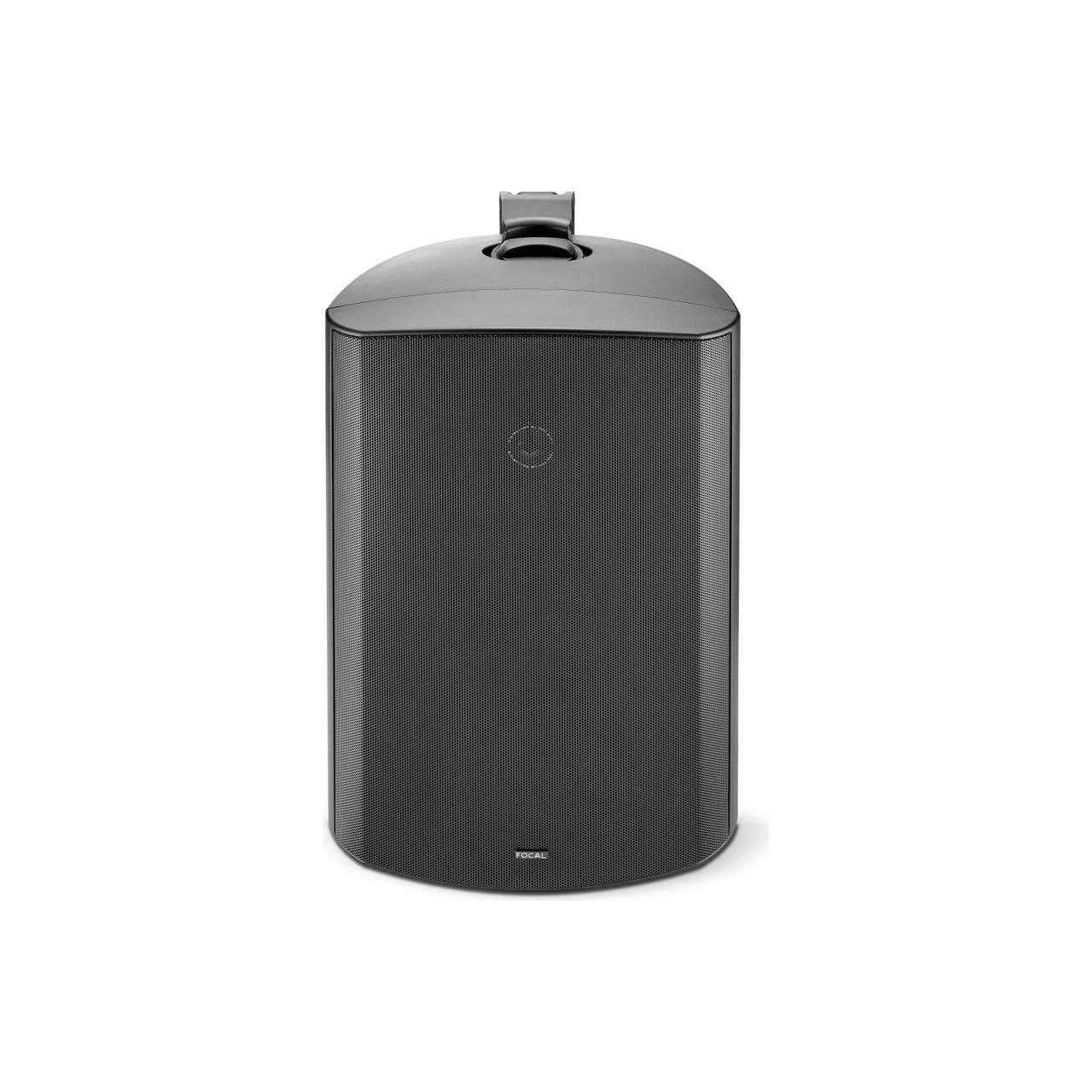
Speaker stands, often overlooked, play a crucial role in shaping the sonic experience. The choice of material significantly impacts the sound quality, stability, and overall performance of the audio system. Understanding these nuances allows audiophiles and professionals to make informed decisions when selecting speaker stands.The selection of speaker stand materials directly influences the acoustic properties of the speaker and the entire audio system.
Materials can absorb, reflect, or transmit sound waves, impacting the clarity, depth, and balance of the audio. The inherent properties of the chosen material, such as density, stiffness, and resonance characteristics, are key determinants of the speaker stand’s performance.
Material Types and Their Acoustic Impact
Speaker stands are constructed from a diverse range of materials, each with unique sonic characteristics. Wood, metal, and composite materials are commonly employed, each offering distinct advantages and disadvantages in terms of sound quality.
- Wood: Often favored for its perceived warmth and natural resonance. Certain woods, like solid cherry or mahogany, are known for their ability to provide a rich and full sound. However, wood can absorb or reflect sound in complex ways, potentially affecting the overall audio balance. The density and type of wood significantly impact the acoustic response.
- Metal: Metal stands, typically constructed from steel or aluminum, are generally rigid and resistant to vibrations. Their rigidity often translates to a more neutral and detailed sound signature. Metal stands can minimize coloration and allow the speaker to deliver its intended frequency response more accurately. Aluminum stands, being lighter, may impart a slightly brighter sound compared to heavier steel stands.
- Composite Materials: Modern composite materials are engineered for both strength and specific acoustic properties. Their design allows for customization, potentially minimizing unwanted resonances and providing a tailored acoustic response. The composition of the composite material, including the type of resin and filler, directly impacts the sonic characteristics of the speaker stand.
Strength and Stability Considerations
The structural integrity of the speaker stand is paramount for maintaining the intended audio quality. A stand that flexes or vibrates will introduce unwanted artifacts into the audio signal.
- Mass and Density: A stand’s mass and density play a significant role in its stability. A heavier stand, particularly one made of dense material, is more resistant to vibrations induced by the speakers’ inherent movements or external factors. Heavy stands also tend to minimize the transmission of unwanted vibrations to the floor.
- Structural Design: The structural design of the speaker stand dictates its strength and stability. A well-engineered stand with robust supports and joints is crucial for preventing unwanted resonances. Sophisticated designs may include bracing and internal reinforcement to further enhance stability and minimize vibration transmission.
Impact on the Overall Audio System
The speaker stand’s material directly influences the interaction between the speaker and its surroundings.
- Resonance and Coloration: Certain materials can introduce resonances or colorations to the audio signal, impacting the sound’s clarity and tonal balance. Proper material selection helps minimize these effects, allowing the speaker to produce its intended sound with minimal distortion.
- Speaker Placement and Alignment: The stability of the speaker stand ensures precise speaker placement and alignment. A stable stand allows for consistent sound reproduction, preventing unwanted shifts or vibrations that can alter the sound quality.
Speaker Stand and Audio System Integration
Speaker stands are more than just props; they are integral components of a complete audio system. Their role extends beyond simply supporting speakers, influencing the overall sonic experience and impacting the performance of the entire system. Understanding how speaker stands interact with other audio components is crucial for optimizing sound quality and achieving a well-balanced listening environment.Speaker stands act as intermediaries, subtly shaping the relationship between the speaker and the listening space.
Properly chosen and positioned stands can dramatically alter the soundstage, image, and overall clarity of the audio. By influencing the speaker’s placement and its relationship with the listener, speaker stands can affect the frequency response, impact the sound’s emotional qualities, and help to achieve a more nuanced and enjoyable listening experience.
Impact on Frequency Response
Speaker stands can affect the bass response of a speaker system. By adjusting the distance from the floor, the speaker stand can alter the interaction between the speaker’s cabinet and the room’s resonance, leading to more controlled bass frequencies and reducing unwanted room modes. Conversely, improper speaker stand placement can amplify unwanted resonances, causing a muddy or boomy bass response.
Effect on Soundstage and Imaging
Speaker stands can significantly enhance the perceived soundstage and imaging of a speaker system. By altering the height and positioning of speakers, the soundstage can be widened, deepened, and made more realistic. Listeners may perceive a more immersive and spacious soundscape, contributing to the overall sense of presence and realism.
Comparison Across Different Audio System Setups
Different audio system setups respond differently to speaker stands. A high-fidelity, multi-channel home theater system will benefit significantly from properly designed stands, which allow for precise speaker positioning and optimal interaction with the room’s acoustics. The same is true for a high-end stereo setup, where careful consideration of stand material and height can impact the imaging and soundstage.
A more basic setup might see less pronounced differences, but even in these cases, well-chosen speaker stands can still improve the listening experience by reducing unwanted reflections and resonances.
Improving Soundstage with Speaker Stands
Speaker stands offer a powerful tool to manipulate the soundstage. For example, elevating speakers to the appropriate height can effectively prevent the sound waves from interacting with the floor, which often results in a more accurate and natural soundstage. Likewise, by strategically placing stands to account for the listening environment, the reflected sounds are managed effectively, minimizing the impact of unwanted echoes and creating a more focused and immersive listening experience.
Using stands with varying heights and materials can further refine the soundstage by targeting specific frequency ranges and reducing unwanted resonances.
Example of Speaker Stand Effects in a High-End Stereo Setup
In a high-end stereo setup, the use of speaker stands can have a profound impact on the overall listening experience. If the speakers are positioned directly on the floor, the low frequencies may be affected by floor resonance, resulting in a muddy bass response. Elevating the speakers on stands can minimize these unwanted interactions, leading to a more controlled and defined bass.
Further, proper stand selection and placement can help the speakers project a wider and more natural soundstage, enhancing the perceived separation and depth of instruments and vocals.
Speaker Stand Aesthetics and Design
Speaker stands, often overlooked, play a crucial role in the overall aesthetic of an audio system. Beyond their functional purpose, they can significantly enhance the visual appeal of a room, seamlessly integrating with the existing décor or even becoming a statement piece themselves. Choosing the right speaker stand design not only complements the interior design but also reflects the listener’s personal taste.Aesthetic considerations are intertwined with the functional aspects of speaker stands.
A well-designed speaker stand enhances sound quality by optimizing speaker placement and reducing unwanted vibrations. Furthermore, a visually pleasing design can elevate the entire audio experience, creating a more cohesive and harmonious environment. The material, finish, and overall form of the stand contribute to the perceived value and quality of the entire system.
Speaker Stand Styles and Finishes
Speaker stands are available in a variety of styles, each offering a unique visual impact. The choice of style and finish should align with the overall aesthetic of the room and the audio system. A sleek, modern design complements contemporary interiors, while vintage-inspired designs evoke a warm, nostalgic atmosphere.
| Style | Finish | Visual Appeal |
|---|---|---|
| Modern | Sleek Black, Polished Aluminum, or High-Gloss White | Contemporary, minimalist, sophisticated |
| Vintage | Warm Walnut, Antique Cherry, or Dark Oak | Retro, classic, cozy |
| Industrial | Raw Metal, Dark Grey, or Gunmetal | Rustic, robust, bold |
| Art Deco | Chrome, Polished Brass, or Lacquered Black | Glamorous, ornate, sophisticated |
These diverse styles and finishes offer a wide spectrum of choices to cater to a variety of interior design preferences.
Speaker Stand Examples in Different Interior Design Styles
The choice of speaker stand significantly impacts the visual integration of the audio system into a room. Selecting stands that harmoniously blend with the room’s existing aesthetic is key to a well-rounded audio experience.
- Modern Interior: Sleek black or polished aluminum speaker stands seamlessly integrate with minimalist furniture and contemporary decor. The clean lines and modern aesthetic of the stands complement the overall design. Examples include stands with a simple, geometric shape or those featuring a minimalist aesthetic.
- Vintage or Retro Interior: Speaker stands with warm wood finishes like walnut or cherry create a warm, inviting atmosphere. The natural wood grain complements vintage furniture and artwork, enhancing the retro or vintage theme of the room. Examples include speaker stands with a classic, turned-leg design or those with intricate carvings reminiscent of antique furniture.
- Industrial Interior: Speaker stands made from raw metal, such as steel or iron, with a dark grey or gunmetal finish, are well-suited for industrial-style interiors. The robust and unpolished aesthetic of these stands blends perfectly with exposed brick walls, metal accents, and raw materials. Examples include speaker stands with a simple, boxy design or those with exposed metal parts, creating a rough-hewn look.
- Art Deco Interior: Speaker stands with chrome or polished brass finishes, often featuring intricate detailing, add a touch of glamour and sophistication to Art Deco-inspired spaces. The elegant and ornate designs of these stands complement the decorative flourishes and geometric patterns characteristic of Art Deco architecture and design. Examples include stands with curved lines and ornate detailing, or those with a strong, symmetrical design.
Careful consideration of speaker stand aesthetics allows for a more comprehensive and personalized audio experience. The choice of speaker stands directly impacts the overall ambiance of a listening room, making it an important decision in the audio setup process.
Speaker Stand Maintenance and Care
Proper speaker stand maintenance is crucial for preserving their structural integrity and ensuring optimal audio performance. Neglecting these essential steps can lead to damage, compromised sound quality, and potentially even safety hazards. This section details the procedures and considerations for maintaining and caring for various types of speaker stands.Speaker stands, while designed for long-term use, require consistent care to avoid premature deterioration.
Regular inspection, cleaning, and preventative measures can extend their lifespan and maintain their effectiveness. Understanding the material composition and potential vulnerabilities of different speaker stand types is key to a successful maintenance regimen.
Proper Maintenance Procedures
Maintaining speaker stands involves a series of preventative and reactive steps. Regular checks are essential to identify and address any potential issues early on, before they escalate into more significant problems. This proactive approach ensures the longevity and optimal performance of the speaker stands.
- Visual Inspection: Thoroughly inspect speaker stands for any signs of damage, such as cracks, warping, loose screws, or damage to the mounting surfaces. Look for signs of corrosion or discoloration, especially if the stand is made of metal.
- Load Capacity Verification: Ensure that the speaker stands are not carrying a load exceeding their specified capacity. Overloading can lead to damage or instability. This is crucial to prevent accidents.
- Environmental Considerations: Monitor the environment where the speaker stands are situated. High humidity, extreme temperatures, or exposure to harsh chemicals can negatively affect the materials. Take appropriate steps to mitigate these environmental factors.
Preventing Damage to Speaker Stands
Protecting speaker stands from damage is a proactive approach that safeguards against future problems. Understanding the potential sources of damage allows for implementation of preventative measures.
- Protective Pads: Use protective pads or felt underneath the speaker stands to prevent scratching or marring of floors or furniture. This simple measure protects the stands and the surfaces they rest on.
- Secure Mounting: Ensure that the speaker stands are securely mounted and fastened. This prevents accidental movement or toppling, which can lead to damage.
- Handling with Care: When moving or adjusting speaker stands, use appropriate lifting techniques and support the stands to prevent damage from bending or twisting.
Cleaning and Caring for Different Materials
Cleaning procedures vary based on the material of the speaker stand. Different materials require specific cleaning techniques to maintain their integrity and appearance.
| Material | Cleaning Method |
|---|---|
| Wood | Use a soft cloth dampened with a mild, non-abrasive cleaner. Avoid harsh chemicals or abrasive cleaners that could damage the wood’s finish. Dry thoroughly. |
| Metal | Use a soft cloth or sponge with a mild detergent solution to remove dirt and dust. Rinse thoroughly and dry completely. For rust, use a specialized rust remover, following product instructions carefully. |
| Plastic | Use a soft cloth dampened with a mild detergent solution. Avoid harsh chemicals or abrasive cleaners. Dry thoroughly. |
Importance of Regular Inspections
Regular inspections are crucial for early detection of potential problems. This proactive approach allows for timely intervention and prevents costly repairs or replacements.
- Early Problem Detection: Regular inspections enable the identification of small issues before they escalate into major problems. This prevents significant damage to the speaker stands or the audio system.
- Prolonging Lifespan: Early identification of issues allows for timely repairs, extending the lifespan of the speaker stands. Addressing problems quickly avoids further deterioration and ensures optimal performance.
- Preventing Accidents: A proactive approach to inspection and maintenance can prevent accidents or structural failures, ensuring the safety of the speaker stands and the audio system.
Speaker Stand Cost and Value

Speaker stands, while often overlooked, play a crucial role in optimizing audio performance. Their cost can vary significantly, impacting the overall value proposition for consumers. Understanding the relationship between price and quality, and the diverse value offered by different stand types, is essential for making informed decisions.
Speaker Stand Price Ranges
A wide spectrum of speaker stand prices exists, reflecting variations in materials, construction, design, and features. Budget-friendly options often start around $50-$150 for a pair, typically made from MDF or particleboard, offering basic support. Mid-range stands, constructed from hardwood or metal, with more sophisticated design features, frequently fall in the $150-$500 range per pair. High-end speaker stands, often crafted from premium materials like high-quality wood or exotic woods, or featuring advanced engineering, can command prices exceeding $500 per pair.
Comparison of Speaker Stand Types
Different speaker stand types offer varying degrees of support and aesthetic appeal, directly impacting their price point. For instance, simple, columnar stands generally are less expensive than stands incorporating complex bracing or adjustable features. Floor stands, while often more costly due to their larger size and often heavier construction, are often more robust than other types. On the other hand, tabletop stands are the most affordable, but may compromise stability and sound quality in a larger room or for larger speakers.
Cost and Quality Relationship
A positive correlation often exists between the price of speaker stands and their quality. Higher-priced stands often feature more robust materials, such as heavier gauge steel or dense hardwoods, contributing to enhanced stability and reduced vibrations. More complex designs may incorporate innovative bracing systems, effectively minimizing resonance and improving sound fidelity. Sophisticated manufacturing processes and finishes further elevate the value proposition.
Value Proposition of Different Speaker Stand Options
The value proposition of speaker stands extends beyond the initial purchase price. Budget-friendly options can still provide adequate support for smaller speakers in smaller rooms. Mid-range stands offer a balance between quality, features, and affordability, often satisfying the needs of most users. High-end stands, though costly, can significantly improve the sound quality and overall audio experience in demanding listening environments or for high-performance speakers.
In summary, the value of speaker stands is determined by the balance between cost and the performance benefits offered, tailored to specific listening preferences and system requirements.
Last Word
In conclusion, speaker stands are more than just supports; they’re integral components that influence sound quality, aesthetics, and overall audio system performance. Understanding the different types, design considerations, and placement strategies empowers users to make informed decisions. By carefully considering these aspects, you can optimize your audio setup for a richer, more immersive listening experience.
