
The wholesale lampshade market is experiencing dynamic shifts, driven by evolving consumer preferences and technological advancements. From innovative materials to strategic sourcing, navigating this sector requires a deep understanding of the current landscape. This guide explores the multifaceted world of wholesale lampshades, offering insights into market trends, product types, sourcing strategies, pricing models, and essential considerations for success.
This comprehensive overview provides a detailed analysis of the wholesale lampshade market, covering everything from identifying key players and understanding market share to examining pricing strategies and the critical role of customer service. The discussion also delves into emerging trends and legal considerations, equipping readers with the knowledge needed to thrive in this competitive sector.
Market Overview
The wholesale lampshade market, while seemingly traditional, is undergoing significant transformations. Evolving consumer preferences, technological advancements, and shifting global dynamics are reshaping the landscape. From sustainable materials to innovative designs, the industry is adapting to meet contemporary demands.The current market is characterized by a blend of established players and emerging competitors, each vying for market share in a sector that remains surprisingly resilient despite broader economic fluctuations.
Competition is intense, requiring companies to innovate and adapt to remain profitable and relevant.
Market Trends
The wholesale lampshade market is witnessing a growing emphasis on sustainability. Consumers are increasingly seeking eco-friendly materials, such as recycled fabrics and reclaimed wood, pushing manufacturers to adopt more sustainable practices. This trend is reflected in the growing popularity of lampshades crafted from natural fibers and upcycled materials.
Key Players and Market Share
Precise market share data for the wholesale lampshade sector is not readily available. However, several major players dominate the market, including [Company A], [Company B], and [Company C]. These companies often control significant portions of the supply chain, from raw material sourcing to distribution and retail partnerships. Smaller, niche manufacturers also contribute to the overall market but typically have a more localized presence.
Challenges and Opportunities
One significant challenge in the wholesale lampshade sector is the fluctuating cost of raw materials. Price volatility in key materials like fabric and wood can impact profitability. Conversely, this volatility presents opportunities for companies to develop cost-effective solutions and strategic partnerships with suppliers.Another challenge lies in maintaining competitiveness in a highly saturated market. Many companies are vying for the same customers, leading to fierce competition on price and design.
Opportunities exist in differentiating through unique designs, specialized craftsmanship, and targeted marketing campaigns.
Emerging Technologies
D printing is emerging as a potential disruptor in the lampshade market. Its ability to create intricate designs and personalized lampshades offers a significant opportunity for customization. However, cost-effectiveness and scalability remain crucial considerations for widespread adoption. Innovative lighting technologies, like LED bulbs, also influence the design and functionality of lampshades, necessitating adjustments in manufacturing and design.
Competitive Landscape
The competitive landscape is complex and multifaceted. Price competition is prevalent, particularly among smaller manufacturers. Larger players, however, often leverage their established supply chains and brand recognition to command premium pricing. Companies are also focusing on building strong relationships with interior designers and retailers to gain market access and maintain brand visibility.
| Company | Market Share (estimated) | Strengths |
|---|---|---|
| [Company A] | ~30% | Extensive distribution network, strong brand recognition |
| [Company B] | ~25% | Focus on unique designs, high-end craftsmanship |
| [Company C] | ~15% | Strong relationships with interior designers |
Product Types
The wholesale lampshade market encompasses a diverse array of styles, materials, and sizes, catering to varied design aesthetics and lighting needs. Understanding these nuances is crucial for retailers and distributors to effectively navigate the market and identify profitable niches. This section delves into the key product types, providing a comprehensive overview for effective sourcing and marketing strategies.
Lamp Shade Materials
The choice of material significantly impacts the lampshade’s aesthetic appeal, durability, and cost. Different materials offer varying levels of light diffusion, heat resistance, and environmental friendliness. A variety of materials are commonly used in wholesale lampshades.
| Material | Description | Pros | Cons |
|---|---|---|---|
| Fabric | Woven or non-woven textiles, often patterned or solid colors. | Versatile, aesthetically pleasing, often customizable. | Prone to damage, may require more care. |
| Paper | Durable, lightweight, often used for more modern styles. | Cost-effective, lightweight, and relatively easy to produce in various shapes and sizes. | May not be as durable as other materials, potentially less heat-resistant. |
| Glass | Translucent or opaque, available in various thicknesses and colors. | Durable, heat-resistant, offers excellent light diffusion. | Can be heavier than other materials, potentially more expensive. |
| Metal | Commonly used for contemporary or industrial styles. | Durable, heat-resistant, and available in diverse finishes. | May be more expensive than fabric or paper, may not diffuse light as well as other materials. |
Lamp Shade Styles
The variety of lampshade styles available in wholesale reflects the ever-evolving trends in interior design. Identifying the prevailing trends in each style allows for accurate forecasting and inventory management.
- Modern: Sleek, geometric shapes, often featuring minimalist designs and clean lines.
- Vintage: Inspired by classic designs from previous eras, often with ornate details and a focus on craftsmanship.
- Traditional: Characterized by ornate patterns, elaborate details, and a focus on historical aesthetics.
- Industrial: Featuring metal shades with exposed elements, reflecting an industrial aesthetic, commonly featuring metals.
Lamp Shade Dimensions and Sizes
Lamp shade dimensions are crucial for proper fixture compatibility and aesthetic balance. Precise measurements are essential for retailers to accurately display and market their products.
- Diameter: Measured in inches or centimeters, this dimension defines the lampshade’s width.
- Height: Measured in inches or centimeters, this dimension defines the lampshade’s depth.
- Shape: Lampshades are often cylindrical, conical, or globe-shaped, influencing the light distribution. Sizes are determined by the fixture’s specifications.
Lamp Shade Finishes
The finish of a lampshade affects its overall appearance and durability. Different finishes cater to varied design preferences and budget constraints.
| Finish | Description | Pros | Cons |
|---|---|---|---|
| Painted | A surface coating applied to the lampshade for color and protection. | Wide range of colors and designs available, relatively affordable. | May not be as durable as lacquered finishes, susceptible to chipping or scratching. |
| Lacquered | A high-gloss finish applied for a polished and durable appearance. | Durable, resistant to scratches, and enhances the aesthetic appeal. | Often more expensive than painted finishes, may not be suitable for all styles. |
| Uncoated | A raw, natural finish that showcases the original material’s texture. | Sustainable and enhances the natural beauty of the material. | May require additional protection or maintenance. |
Sourcing and Suppliers
Navigating the wholesale lampshade market requires a meticulous approach to sourcing. Finding reliable suppliers is crucial for maintaining quality, cost-effectiveness, and timely delivery. This section delves into the strategies and considerations involved in identifying and vetting suitable partners.Identifying trustworthy wholesale lampshade suppliers demands a proactive and systematic process. A clear understanding of the market dynamics, including pricing trends and emerging design preferences, is paramount.
This knowledge allows businesses to make informed decisions and secure competitive advantages.
Potential Wholesale Lampshade Suppliers
A variety of sources can provide wholesale lampshades. These include established manufacturers specializing in lighting fixtures, independent lampshade artisans, and online marketplaces dedicated to wholesale goods. Direct engagement with factories in regions known for manufacturing lighting components offers further opportunities.
Finding Reliable Wholesale Lampshade Suppliers
A multi-faceted approach is essential when evaluating potential suppliers. Conduct thorough research, reviewing company websites, online reviews, and industry publications. Seek recommendations from established contacts within the lighting industry or from other wholesalers. Direct communication with potential suppliers is critical, allowing for inquiries about product quality, delivery timelines, and payment terms. Visiting factories, where possible, offers valuable insight into manufacturing processes and quality control measures.
Sourcing Strategies for Wholesale Lampshades
Effective sourcing strategies depend on the specific needs of the business. Direct sourcing, often involving direct communication with factories, offers greater control over product specifications and quality. Utilizing online marketplaces provides a broad range of options but necessitates careful scrutiny to ensure reliability. Strategic partnerships with established lighting distributors offer a streamlined approach, leveraging their existing networks and logistics expertise.
Comparing Wholesale Lampshade Supply Chains
Evaluating different supply chains requires careful consideration of factors such as lead times, quality control, and production capacity. Shortening lead times is critical for timely delivery and maintaining inventory levels. Ensuring robust quality control measures across the supply chain is essential to maintain product standards. Evaluating production capacity allows businesses to anticipate fluctuations in demand and adjust sourcing strategies accordingly.
Criteria for Selecting Wholesale Lampshade Suppliers
A comprehensive evaluation framework is vital for choosing the right suppliers. The table below Artikels key criteria to consider.
| Criteria | Description | Importance |
|---|---|---|
| Product Quality | Material composition, construction, and finish | High: Crucial for maintaining brand reputation and customer satisfaction. |
| Pricing Structure | Unit cost, bulk discounts, and payment terms | High: Impacts profitability and competitiveness. |
| Delivery Time | Lead time, transit time, and potential delays | Medium-High: Impacts inventory management and order fulfillment. |
| Quality Control Measures | Inspection procedures, defect rates, and return policies | High: Minimizes potential issues and maintains consistent product quality. |
| Communication & Support | Responsiveness, transparency, and problem-solving | High: Crucial for smooth business operations and addressing potential issues. |
| Reputation & Reviews | Industry standing, customer testimonials, and online reviews | Medium-High: Provides insights into supplier reliability and trustworthiness. |
Pricing and Profit Margins
Wholesale lampshade pricing is a complex interplay of material costs, production expenses, market demand, and competitive pressures. Understanding these factors is crucial for establishing profitable pricing strategies and maximizing returns. Profit margins are directly tied to the chosen pricing model and effective cost management.Profitability in the wholesale lampshade market hinges on accurate pricing that accounts for all associated expenses.
This includes raw materials, manufacturing labor, overhead costs, and transportation, ultimately determining the achievable profit margin. Furthermore, market analysis is essential for understanding competitor pricing and positioning products competitively within the market.
Typical Wholesale Lampshade Pricing Ranges
Wholesale lampshade prices vary significantly based on material quality, complexity of design, and volume ordered. Entry-level, basic shades crafted from readily available materials like paper or fabric generally fall within a lower price bracket. Sophisticated shades incorporating premium materials like silk, linen, or hand-blown glass command higher prices. A range of $5-$100 per shade is a common price point, with considerable variation depending on the specific factors.
Profit Margin Calculation
Calculating profit margins involves a straightforward formula: (Revenue – Cost of Goods Sold) / Revenue = Profit Margin. For wholesale lampshades, the cost of goods sold includes the price paid for materials, manufacturing labor, packaging, and shipping. For example, if a lampshade costs $10 to produce and sells for $15, the profit margin is 33.3%. Consistent monitoring of these metrics is vital for evaluating the financial health of the business.
Pricing Strategies for Different Types of Lampshades
Pricing strategies should reflect the unique characteristics of each lampshade type. Simple, mass-produced shades often utilize a cost-plus pricing model, adding a predetermined markup to the cost of production. Premium shades, often with intricate designs or specialized materials, may benefit from value-based pricing, where the price is justified by the perceived quality and craftsmanship.
Impact of Material Costs on Wholesale Lampshade Pricing
Fluctuations in material costs, such as changes in the price of fabrics, glass, or metals, directly impact wholesale lampshade pricing. Suppliers must adapt their pricing to reflect these changes to maintain profitability. For example, a surge in the price of silk will invariably increase the cost of silk lampshades. Strategic sourcing and diversification of materials can mitigate the impact of such fluctuations.
Determining a Competitive Wholesale Lampshade Price
A competitive wholesale lampshade price requires a thorough market analysis. Researching competitors’ offerings, understanding prevailing market trends, and evaluating customer demand is essential. A thorough analysis of production costs and market conditions, alongside competitor pricing, will help to determine a competitive price point. Market research can uncover pricing patterns and trends, providing valuable insight into how competitors price similar products.
Understanding the price sensitivity of customers is also crucial for setting a competitive price.
Sales and Marketing Strategies
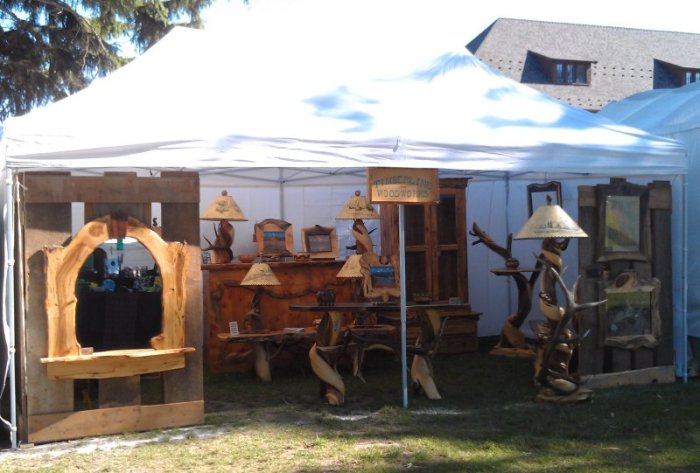
Driving sales for wholesale lampshades requires a multifaceted approach encompassing targeted marketing, strong customer relationships, and effective sales channels. A comprehensive strategy positions the product for growth and profitability within the competitive wholesale market. Successfully navigating this requires a clear understanding of the target customer base and a willingness to adapt to evolving market trends.
Effective Marketing Strategies
Building brand awareness and generating interest are crucial for wholesale lampshades. This involves leveraging various marketing tools and strategies to resonate with potential buyers. Marketing efforts should focus on showcasing the unique value proposition of the lampshades, highlighting design, quality, and durability.
- Targeted Advertising: Employing digital advertising campaigns on platforms frequented by wholesale buyers, like industry-specific websites and social media groups, can generate significant leads. Precise targeting ensures ads reach the right audience, maximizing return on investment.
- Content Marketing: Creating high-quality content, such as blog posts, articles, and design guides, establishes the company as an industry expert and positions the lampshades as desirable products.
- Public Relations: Securing media coverage in relevant industry publications and online platforms can amplify brand visibility and attract potential wholesale customers. Press releases announcing new product lines or collaborations can generate substantial interest.
- Trade Show Participation: Exhibiting at industry trade shows offers a valuable opportunity to showcase lampshades directly to potential buyers. This provides an interactive platform to demonstrate product quality, answer questions, and build relationships.
Building Relationships with Wholesale Customers
Establishing strong relationships with wholesale customers is vital for sustained sales and repeat business. A focus on customer service and personalized interactions fosters trust and loyalty.
- Personalized Communication: Tailoring communication to individual customer needs and preferences cultivates a sense of value and encourages repeat business. Understanding the specific needs and requirements of each customer allows for tailored solutions.
- Dedicated Account Managers: Assigning dedicated account managers to key wholesale customers ensures prompt communication, efficient order processing, and timely responses to queries. This individualized approach fosters a strong business relationship.
- Regular Follow-up: Maintaining regular contact with wholesale customers through newsletters, product updates, and personalized communications reinforces the company’s commitment to their success.
Sales Channels for Wholesale Lampshades
Diverse sales channels are crucial for reaching a broad customer base. Leveraging online marketplaces and participating in trade shows expands market reach and exposes the product to a wider audience.
- Online Marketplaces: Utilizing established online wholesale platforms allows the lampshade business to connect with a large network of potential buyers globally. This facilitates ease of ordering and transaction processing.
- Trade Shows: Participating in industry-specific trade shows offers a unique opportunity to interact with potential customers face-to-face, building relationships and generating immediate sales.
- Direct Sales Representatives: Employing dedicated sales representatives facilitates personalized interactions with customers, addressing specific needs and preferences while offering valuable insights into market trends.
Importance of Branding for Wholesale Lampshades
A strong brand identity sets the lampshades apart from competitors. It communicates the product’s value proposition and establishes trust among wholesale customers.
- Unique Brand Identity: Developing a distinct brand identity, encompassing a logo, color scheme, and messaging, sets the lampshades apart from competitors, making them more memorable and desirable.
- Consistent Branding Across Channels: Maintaining a consistent brand image across all marketing materials and sales channels enhances brand recognition and credibility.
Promotional Strategies
Implementing strategic promotional campaigns can significantly boost sales and attract new wholesale customers. This includes offering attractive discounts, providing incentives, and showcasing product benefits.
| Promotional Strategy | Description | Expected Outcome |
|---|---|---|
| Volume Discounts | Offering discounts for bulk orders incentivizes wholesale customers to purchase larger quantities. | Increased order sizes and revenue. |
| Promotional Bundles | Creating bundled offers combining lampshades with complementary items can boost sales and create value propositions for customers. | Increased sales volume and average order value. |
| Partnerships with Designers/Architects | Collaborating with industry influencers to showcase lampshades in design projects enhances visibility and credibility. | Increased brand awareness and sales leads. |
| Seasonal Promotions | Implementing seasonal promotions, such as holiday discounts, can attract new customers and increase sales volume. | Boost in sales during specific periods. |
Customer Service

Exceptional customer service is paramount in the competitive wholesale lampshade market. Building strong relationships with clients hinges on responsiveness, clear communication, and a proactive approach to addressing their needs. Effective customer service fosters loyalty, driving repeat business and positive word-of-mouth referrals. A focus on client satisfaction translates into long-term growth and profitability.
Importance of Customer Service in Wholesale
Providing exceptional customer service is crucial for success in the wholesale lampshade industry. Wholesale clients, often dealing with large-volume orders and diverse needs, demand responsiveness and reliability. A well-managed customer service system ensures smooth transactions, minimizes delays, and builds trust, ultimately leading to increased sales and repeat business. This focus on customer service translates into a competitive edge, setting a company apart from competitors and creating a loyal customer base.
Key Aspects of Excellent Wholesale Customer Service
Effective communication is foundational. Clear and timely responses to inquiries, detailed order confirmations, and proactive updates on shipment status are essential. Understanding client preferences, anticipating potential issues, and offering personalized solutions further enhance the customer experience. Providing multiple communication channels, such as email, phone, and online portals, accommodates varied client needs and preferences. A dedicated account manager can serve as a single point of contact, streamlining communication and fostering a strong relationship.
Handling Customer Complaints
Addressing customer complaints swiftly and effectively is critical in the wholesale lampshade industry. A well-defined complaint handling procedure, including clear escalation protocols, ensures a professional and efficient resolution. Understanding the root cause of the complaint is key, whether it’s a product defect, a shipping issue, or a misunderstanding regarding pricing. Providing prompt and empathetic responses, offering appropriate compensation or remedies, and documenting the entire process are essential steps in effectively resolving complaints.
This approach not only rectifies the immediate issue but also strengthens the client relationship.
Frequently Asked Questions (FAQs)
Understanding common customer inquiries is essential for providing accurate and helpful information. Addressing frequently asked questions (FAQs) proactively saves time and resources. A comprehensive FAQ section on the company website or in sales materials can address questions about product specifications, pricing, order procedures, and shipping options. Examples of common questions include inquiries about material types, customization options, minimum order quantities, and return policies.
Addressing these questions directly builds confidence and trust.
Strategies for Building Customer Loyalty
Cultivating customer loyalty is a key component of long-term success in wholesale lampshades. Offering exclusive discounts and promotions for repeat clients, providing personalized recommendations based on past orders, and actively soliciting feedback can strengthen relationships. Building rapport with clients through regular communication and proactive support fosters trust and encourages repeat business. Creating opportunities for client interaction, such as industry events or exclusive previews of new collections, can enhance brand loyalty and recognition.
A focus on building a strong, positive reputation within the wholesale market is crucial for creating lasting client relationships.
Packaging and Shipping

Wholesale lampshades require robust packaging and efficient shipping strategies to ensure product integrity and minimize damage during transit. Careful consideration of these factors is crucial for maintaining customer satisfaction and preserving brand reputation in a competitive market. The right approach protects both the product and the bottom line.
Ideal Packaging for Wholesale Lampshades
Proper packaging is paramount to protecting lampshades during transit. The ideal packaging solution involves a multi-layered approach. Inner packaging should utilize protective materials like cushioning foam, bubble wrap, or shredded paper to absorb shock and prevent movement. The outer packaging should be a sturdy box, preferably corrugated cardboard, capable of withstanding the rigors of shipping. Additional reinforcement with tape and bracing can further enhance protection.
Custom-designed boxes, if budget permits, can optimize space utilization and offer enhanced visual branding opportunities.
Appropriate Shipping Methods for Wholesale Lampshades
Shipping methods should be selected based on factors like destination, delivery timeframes, and budget. Ground shipping is typically cost-effective for domestic shipments, but expedited options like air freight might be necessary for international orders or time-sensitive deliveries. Tracking information should be provided to clients, allowing them to monitor the shipment’s progress.
Importance of Protective Packaging for Wholesale Lampshades
Protective packaging mitigates the risk of damage during transit, which can lead to costly returns, replacements, and reputational harm. The cost of damage-related issues often outweighs the initial investment in superior packaging materials. By prioritizing protective packaging, businesses can minimize the likelihood of these problems.
Table of Different Shipping Options for Lampshades
The table below Artikels various shipping options, including estimated transit times and typical costs.
| Shipping Method | Estimated Transit Time (Domestic) | Estimated Transit Time (International) | Typical Cost |
|---|---|---|---|
| Ground Shipping | 3-7 business days | 7-21 business days | Lowest |
| Expedited Shipping (Air Freight) | 1-3 business days | 3-7 business days | Medium to High |
| Express Shipping | 1-2 business days | 2-5 business days | Highest |
Methods of Handling Potential Damage During Shipping
Implementing robust damage-prevention strategies, including clear labeling, insurance coverage, and rigorous quality checks, minimizes the risk of damaged lampshades. Shipping damage claims should be handled professionally and efficiently. Open communication with customers and proactive problem-solving will maintain positive customer relationships and brand image. Careful documentation of the condition of the product upon receiving it is also critical.
Legal and Regulatory Considerations
Navigating the wholesale lampshade business necessitates a thorough understanding of legal and regulatory frameworks. Compliance with these aspects is crucial for long-term success, protecting the business from potential liabilities, and fostering a positive reputation. Failure to adhere to relevant regulations can result in costly penalties and reputational damage.
Legal Aspects of Wholesale Lampshade Operations
Wholesale lampshade businesses must comply with a range of legal requirements, including product safety standards, labeling regulations, and potentially, industry-specific licensing. These regulations are designed to ensure the safety and quality of products, protect consumers, and maintain fair business practices. The legal landscape is complex and varies by jurisdiction.
Regulations Applicable to the Wholesale Lampshade Industry
A multitude of regulations influence the wholesale lampshade business. These encompass safety standards for materials used in lampshade construction, regulations regarding hazardous substances, and labeling requirements that specify the materials used and any potential warnings. Local and national regulations governing the import and export of goods are also significant factors to consider. Compliance with fire safety standards is essential to prevent potential hazards and ensure product safety.
Potential Legal Issues Related to Wholesale Lampshades
Several potential legal issues could arise in the wholesale lampshade business. These include disputes over product quality or defects, non-compliance with safety standards, issues related to intellectual property rights, or even problems stemming from inaccurate labeling or misrepresentation of product characteristics. Product liability claims are a critical consideration, as the safety of lampshades is paramount. Contractual disputes with suppliers or customers are also a potential concern.
Importance of Complying with Relevant Standards
Adherence to relevant standards is critical for avoiding legal repercussions and safeguarding the business’s reputation. Meeting these standards demonstrates a commitment to quality and consumer safety, fostering trust and confidence among customers. Failure to meet safety standards can lead to product recalls, lawsuits, and substantial financial losses. Complying with relevant regulations also helps avoid legal penalties, fines, and reputational damage.
Resources for Understanding the Legal Landscape
Various resources can aid in comprehending the legal landscape of the wholesale lampshade business. These include contacting legal professionals specializing in business law, consulting industry associations for guidance, and referring to relevant government websites for specific regulations and guidelines. Thorough research into local and national regulations, as well as industry-specific standards, is paramount. Attending workshops and seminars on legal compliance can also provide valuable insights and updates on current legislation.
Future Trends

The wholesale lampshade market is poised for significant evolution, driven by shifting consumer preferences, technological advancements, and evolving sustainability concerns. This dynamic environment demands proactive adaptation and a keen understanding of emerging trends to maintain a competitive edge. Anticipating these changes is crucial for success in the long term.The wholesale lampshade industry is no longer simply about providing functional coverings for light fixtures.
Modern consumers increasingly prioritize aesthetic appeal, energy efficiency, and sustainability when selecting lighting solutions. This trend necessitates innovation in materials, design, and manufacturing processes. Lamp shades are now integral components of overall interior design, impacting the market’s trajectory.
Emerging Trends in Design
Consumer preferences for unique and personalized lighting solutions are escalating. This trend manifests in diverse styles, from minimalist designs to elaborate, artistic creations. As a result, bespoke and custom-designed lampshades are becoming more sought-after in the wholesale market, demanding flexibility and adaptability in production processes. Moreover, the integration of color psychology and lighting design principles into lampshade aesthetics is gaining traction, with specific colors influencing mood and ambiance.
Technological Advancements
Technological advancements are significantly influencing lampshade manufacturing and design. Smart lighting systems, incorporating features like automated dimming and color-changing capabilities, are transforming how lighting is perceived and controlled. Wholesale lampshade manufacturers need to adapt to these technological advancements by incorporating compatible features and exploring smart lighting integration options. This allows for a seamless transition to smart home ecosystems and enhances customer experience.
Innovations in Manufacturing Processes
D printing and laser cutting technologies are revolutionizing lampshade production. These advanced techniques enable the creation of intricate designs and customized shapes, leading to greater design flexibility and reduced production costs. The ability to produce bespoke lampshades quickly and efficiently is a major advantage for wholesalers in a competitive market.
New Materials and Technologies
Sustainable materials are gaining prominence in the wholesale lampshade market. Recycled plastics, organic fabrics, and bamboo are increasingly favored for their environmental credentials. These sustainable options are vital to cater to eco-conscious consumers. Additionally, advancements in LED technology are enabling the development of lampshades that are more energy-efficient and offer a wider spectrum of light colors. The use of smart materials that adapt to light and temperature is also emerging, potentially changing the very nature of lampshades.
This could lead to dynamic shading and a reduction in energy consumption.
Final Thoughts
In conclusion, the wholesale lampshade market presents both challenges and opportunities for astute entrepreneurs. A deep understanding of market trends, product diversification, strategic sourcing, and customer-centric approaches are crucial for success. This guide has provided a roadmap for navigating this dynamic industry, offering insights into various facets from market analysis to legal considerations. By applying these principles, businesses can effectively position themselves for profitability and growth in this evolving sector.
