
Japanese food storage containers, far more than mere vessels, are imbued with a unique aesthetic that blends practicality with artistry. From the meticulously crafted details to the thoughtful selection of materials, these containers tell a story of Japanese design principles, reflecting a deep respect for nature and a commitment to functionality. This exploration delves into the intricate world of Japanese food storage, examining the aesthetic elements, practical applications, cultural significance, and modern adaptations.
These containers are not simply about storing food; they are about enhancing the culinary experience. Their beauty extends beyond the utilitarian, creating a harmony between form and function that resonates with the Japanese philosophy of 侘び寂び (wabi-sabi). This approach to design emphasizes the beauty of imperfection and the appreciation of natural materials, further enriching the overall aesthetic.
Aesthetic Elements of Japanese Food Storage
Japanese food storage containers, known as bentos and kashi-bako, transcend their functional purpose, embodying a rich aesthetic steeped in Japanese design principles. Beyond mere practicality, these containers reflect a deep-seated cultural appreciation for beauty, craftsmanship, and the harmony between nature and daily life. The aesthetic elements employed in these containers contribute to the overall experience of preparing and consuming food.The aesthetic design of Japanese food storage containers is characterized by a deliberate pursuit of simplicity and elegance.
The focus is on functionality and visual appeal, achieved through careful consideration of materials, colors, and design principles. This minimalist approach emphasizes the food itself, rather than the container, allowing the food’s presentation to be the star.
Minimalism and Natural Materials
Japanese aesthetics prioritize minimalism, often achieving this through the use of natural materials. This emphasis on natural elements is evident in the common use of bamboo, ceramic, and glass for food storage containers. The natural textures and tones of these materials, rather than ostentatious embellishments, create a serene and harmonious atmosphere. The natural materials often enhance the presentation of the food itself.
Color Palettes and Cultural Significance
Japanese color palettes in food storage containers often draw inspiration from nature. Earthy tones like browns, greens, and muted blues are prevalent, evoking a sense of calm and grounding. These colors are frequently used in combination with more subtle, monochromatic designs, reflecting the Japanese aesthetic preference for understated elegance. The use of specific colors can also reflect seasonal themes or cultural celebrations, enhancing the overall aesthetic experience.
For example, a muted green color palette might evoke the freshness of spring.
Design Principles: Symmetry and Harmony
Symmetry and harmony are core principles in Japanese design, evident in the shapes and patterns found in food storage containers. The careful balance and proportion in these designs create a sense of visual harmony and balance. Often, the containers’ lines and shapes are deliberately simple, but they achieve a sense of sophisticated elegance. Circular, square, and rectangular shapes are commonly used, often paired with subtle, flowing patterns or decorative elements.
Different Design Styles
Various design styles exist within Japanese food storage containers. Some containers emphasize simplicity, showcasing the natural beauty of the materials. Others incorporate subtle patterns or motifs, such as floral designs or traditional Japanese symbols, adding a touch of cultural heritage to the aesthetic. Contemporary designs often blend traditional elements with modern aesthetics, creating a unique and visually engaging combination.
Materials Comparison
| Material | Pros | Cons |
|---|---|---|
| Ceramic | Durable, aesthetically pleasing, non-reactive with food, often handcrafted | Can be heavy, potentially fragile, may not be as easy to clean as glass |
| Bamboo | Sustainable, natural, visually appealing, heat resistant, often eco-friendly | Can be porous, needs care to maintain hygiene, may require sealing |
| Glass | Transparent, allows for easy viewing of food, non-reactive with food, generally safe to use in the microwave and oven | Can be fragile, heavier than plastic |
The table above summarizes the comparative advantages and disadvantages of different materials frequently used in Japanese food storage containers. The choice of material often depends on the specific needs and preferences of the user.
Functionality and Practicality
Japanese food storage containers are more than just aesthetically pleasing; they are meticulously designed for practicality. Their airtight seals, stackability, and ease of cleaning make them indispensable for modern kitchens, particularly those prioritizing efficiency and organization. This functionality extends beyond simple storage, reflecting a deeper commitment to preserving food quality and reducing waste.The practical features of these containers are multifaceted, extending from their fundamental design to their application in daily routines.
Airtight seals, a key characteristic, prevent moisture loss and unwanted odors from permeating stored food, maintaining freshness and flavor. This feature, combined with the stackability of many models, optimizes space utilization in cabinets and refrigerators, a significant advantage for those with limited kitchen storage. Easy-to-clean materials, often non-stick or dishwasher-safe, contribute to the overall ease of use and maintenance.
Airtight Seals and Preservation
The airtight seals in Japanese food storage containers are critical for preserving food freshness. These seals, often achieved through innovative lid designs, create a vacuum or hermetic environment that minimizes moisture evaporation and prevents the ingress of external odors. This contributes significantly to the longevity and quality of stored food, reducing spoilage and extending its usability. The use of specialized sealing technologies, such as food-grade silicone or airtight latches, are common to achieve a high level of airtightness.
Stackability and Space Optimization
Stackability is a defining feature of many Japanese food storage containers. The nested design allows for efficient vertical storage, maximizing space within cabinets and refrigerators. This characteristic is particularly useful for busy households and those with limited storage areas. The standardized dimensions of some containers further enhance this stackability, promoting order and reducing clutter. The stackable nature reduces the need for multiple containers, thereby streamlining storage and reducing the potential for space waste.
Cleaning and Maintenance
Japanese food storage containers are designed with ease of cleaning in mind. Many are made from materials that are resistant to stains and odors, making them ideal for long-term use. Materials like BPA-free plastic, glass, or stainless steel are common, and many containers are dishwasher-safe, streamlining the cleaning process. This attribute contributes significantly to the overall convenience and ease of maintenance, minimizing time spent on cleaning and allowing users to focus on other aspects of cooking and meal preparation.
Different Types and Their Uses
- Round containers are ideal for storing rice, grains, and other dry goods. Their round shape allows for a stable, compact stack, maximizing space efficiency. The wide mouth allows for easy filling and emptying.
- Rectangular containers are versatile and useful for storing various food items, from vegetables to leftovers. Their rectangular shape facilitates stacking and organization, while their flat surfaces make them convenient for storing larger portions of food.
- Square containers offer a unique combination of stackability and space efficiency. Their flat surfaces make them suitable for storing various types of foods and are also great for storing smaller items such as condiments or spices.
- Specialized containers, such as those with compartments or dividers, are designed for specific needs, such as storing multiple ingredients for a dish or organizing leftovers. This feature ensures a compartmentalized approach, enabling users to separate components of a meal for easy access and use.
Design Features and Ease of Use
The design features of Japanese food storage containers directly contribute to their ease of use. Features like ergonomic handles, easy-to-open lids, and clear labeling systems contribute to a seamless user experience. These elements make meal preparation and food storage less cumbersome, especially for busy households. These design features also improve user experience and streamline the process of preparing and storing food.
Table of Container Sizes and Contents
| Container Size | Typical Contents |
|---|---|
| Small (approx. 0.5L) | Leftover portions of individual meals, sauces, condiments, and small snacks |
| Medium (approx. 1L) | Larger portions of leftovers, vegetable preparations, and portion-controlled meals |
| Large (approx. 2L or more) | Prepared meals for several servings, rice storage, and larger quantities of dry goods. |
Cultural Significance and History
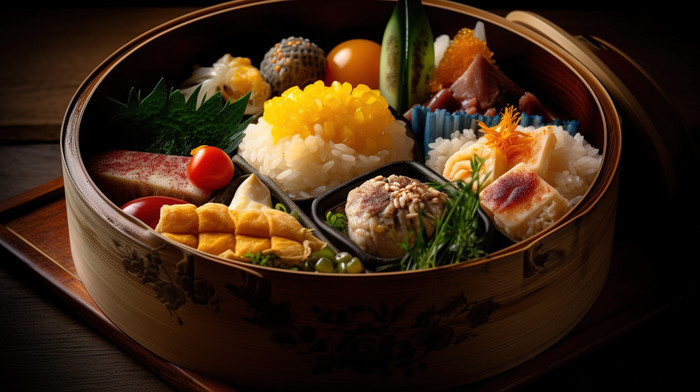
Japanese food storage, a practice deeply intertwined with the nation’s culture and history, reflects a meticulous approach to preserving not just food, but also the aesthetic and social values of the people. From ancient techniques to contemporary designs, the evolution of these containers reveals a continuous adaptation to changing needs and societal shifts. The containers themselves are more than mere vessels; they are embodiments of Japanese aesthetics and cultural principles.The historical context of food preservation in Japan is deeply rooted in the nation’s agricultural practices and resourcefulness.
Early methods, often developed in response to seasonal abundance and scarcity, focused on maximizing the lifespan of produce and minimizing waste. This pragmatic approach, intertwined with a strong sense of sustainability, laid the groundwork for the intricate and evolving art of Japanese food storage.
Historical Context of Food Preservation
Early Japanese food preservation methods relied heavily on natural processes. Drying, fermentation, and pickling were common practices, often employed to extend the shelf life of seasonal harvests. These techniques, passed down through generations, were not only practical but also integrated into the social fabric of rural communities. The importance of preserving food was directly linked to the need to feed families and communities throughout the year, particularly during times of scarce resources.
Cultural Significance of Food Preservation
Preservation in Japanese culture goes beyond mere practicality. It signifies respect for nature’s bounty, an appreciation for the cyclical nature of seasons, and a profound connection to the land. The meticulous methods of preservation reflected the meticulous nature of Japanese society, emphasizing the value of careful planning and preparation for the future. Furthermore, the act of preserving food often carried a strong sense of community, with shared resources and knowledge contributing to the collective well-being.
Influence of Japanese Aesthetics on Food Storage
Japanese aesthetics, particularly the principles of
- wabi-sabi* (the beauty of imperfection and impermanence) and
- shibui* (a quiet elegance and understated beauty), profoundly influenced the design of food storage containers. The materials used, often natural and unadorned, and the minimalist forms emphasized the inherent beauty of the food itself, rather than the container. The containers were designed not to hide the food, but to complement it, highlighting its natural beauty and the seasonal flavors.
Evolution of Food Storage Containers Over Time
The evolution of food storage containers in Japan mirrors the broader societal changes. Initially, simple baskets, earthenware pots, and wooden boxes were prevalent. As technology advanced, and resources became more readily available, the design and materials of the containers became more refined, but the underlying principles of functionality and aesthetics remained paramount. The incorporation of lacquerware, ceramics, and eventually, modern plastics and materials, each reflecting the technological advancements and evolving tastes of the time, illustrates the ongoing dialogue between tradition and innovation.
Historical Timeline of Japanese Food Storage Containers
| Period | Material/Style | Characteristics |
|---|---|---|
| Pre-Heian Period (before 794 AD) | Basketry, Earthenware, Wood | Simple, functional, and directly tied to seasonal harvests. |
| Heian Period (794-1185 AD) | Lacquerware, Ceramics | Refinement in aesthetics, with a growing emphasis on elegance and craftsmanship. |
| Edo Period (1603-1868 AD) | Lacquerware, Ceramics, Metal | Increased diversity of materials and styles reflecting growing trade and economic prosperity. |
| Meiji Period (1868-1912 AD) | Metal, Glass | Introduction of modern materials and styles reflecting the influence of Western industrialization. |
| Modern Era | Plastic, Ceramic, Stainless Steel | Balancing tradition with contemporary demands for convenience and hygiene. |
Modern Interpretations and Adaptations
Japanese food storage containers, steeped in centuries of tradition, are undergoing a contemporary renaissance. Designers are reimagining these functional vessels, blending time-honored aesthetics with modern materials and innovative techniques. This evolution reflects a global appreciation for Japanese design principles and a desire to integrate these principles into everyday life. The influence extends beyond the kitchen, shaping broader design trends.Contemporary interpretations are not mere imitations but thoughtful adaptations.
They acknowledge the enduring appeal of the traditional forms while offering fresh perspectives, incorporating new materials and functionalities. This fusion of old and new underscores the timeless elegance and practical utility of Japanese design.
Contemporary Designs Incorporating Japanese Aesthetic Elements
Modern food storage containers often incorporate traditional Japanese aesthetics, like minimalist lines, natural materials, and subtle color palettes. This approach prioritizes visual harmony and the natural beauty of the materials. Containers might feature understated patterns or subtle textures inspired by Japanese artistry. The focus is on creating objects that enhance the presentation and storage of food while maintaining a sense of calm and elegance.
Collaborations Between Japanese Designers and Contemporary Brands
Numerous collaborations between Japanese designers and global brands highlight the growing interest in Japanese design principles. These partnerships result in innovative food storage solutions that respect traditional craftsmanship while incorporating modern technologies. For example, a Japanese ceramicist might collaborate with a European kitchenware company to create a line of exquisitely crafted, yet durable, storage containers. These collaborations demonstrate the mutual appreciation of design sensibilities and the desire to create unique and high-quality products.
Modern Materials and Techniques
Modern materials and techniques are frequently employed to create contemporary Japanese food storage containers. Manufacturers might use innovative polymers for durability and aesthetic appeal, alongside traditional techniques like lacquerware or ceramic crafting. These combinations create containers that are both functional and visually striking. The utilization of sustainable materials is increasingly important, further showcasing the modern adaptation of traditional techniques.
Influence on Other Cultures
The aesthetic of Japanese food storage containers has demonstrably influenced other cultures. Designers worldwide are drawn to the simplicity, elegance, and practicality of these containers. Contemporary interpretations of these principles are found in various forms of design, from homeware to fashion. The impact of Japanese design philosophy is undeniable, particularly in emphasizing functionality and beauty in everyday objects.
Table: Modern Interpretations of Traditional Japanese Food Storage Containers
| Container Type | Key Features | Modern Adaptation |
|---|---|---|
| Traditional Bento Box | Compartmentalized, often lacquered wood or bamboo | Modern bento boxes might use BPA-free plastics with innovative compartmentalization, ergonomic designs, and vibrant colors inspired by Japanese art. |
| Glass Storage Jars | Often featuring simple, elegant shapes, sometimes with a lid | Contemporary glass jars, designed for food storage, may have innovative lids that improve airtightness and aesthetic appeal, incorporating subtle patterns or modern handles. |
| Bamboo Food Containers | Eco-friendly, often with natural textures | Modern bamboo containers can feature integrated handles, airtight seals, and various shapes, while maintaining their natural, sustainable appeal. |
Visual Representation of Food Storage
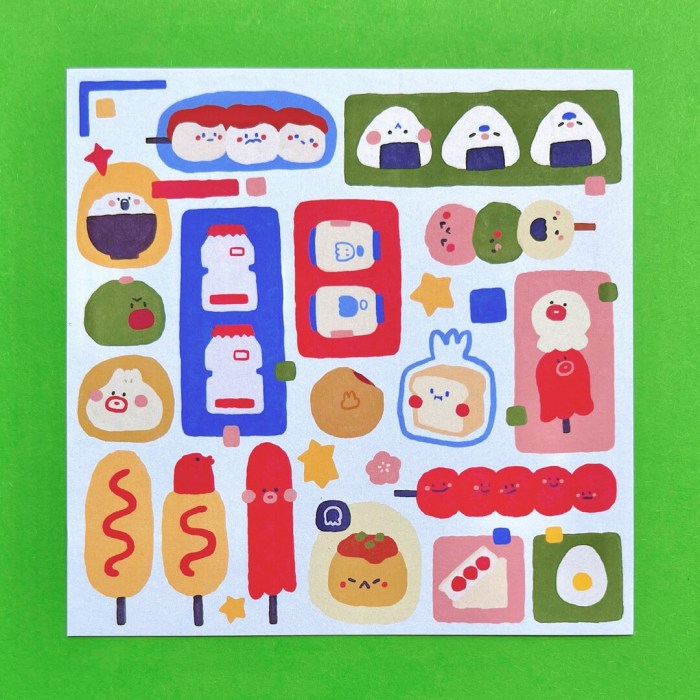
Beyond their practical function, Japanese food storage containers are meticulously designed to elevate the aesthetic experience of dining. Their visual appeal plays a crucial role in both everyday meals and special occasions, extending beyond simple functionality to enhance the overall culinary experience. This artistry is deeply rooted in Japanese aesthetics, emphasizing harmony, balance, and a respect for the natural world.The visual language of these containers often reflects the seasonality and natural beauty of the ingredients within.
Careful consideration is given to the interplay of colors, textures, and shapes, transforming the act of storing food into a form of art. This extends to the containers themselves, which are often crafted from materials that evoke a sense of warmth and tradition, such as natural wood or ceramic.
Visual Enhancement of Food Presentation
The visual appeal of food storage containers significantly enhances the presentation of food, contributing to a more refined dining experience. Careful selection of colors, textures, and shapes creates a harmonious visual composition. The containers often showcase the natural beauty of the food inside, highlighting the colors and textures in a way that is both aesthetically pleasing and functional.
This visual enhancement transcends mere storage, transforming it into an integral part of the culinary experience.
Importance in Japanese Cuisine
In Japanese cuisine, visual appeal is paramount. The presentation of food is just as important as its taste. The carefully chosen containers play a vital role in this aesthetic, emphasizing the beauty and quality of the food. The delicate balance of colors, textures, and shapes in the containers often mirrors the balance and harmony sought in Japanese aesthetics.
This attention to detail elevates the dining experience, making it a sensory journey.
Everyday and Special Occasion Use
Japanese food storage containers are versatile, adapting seamlessly to both everyday meals and special occasions. Their elegant designs and practical features allow for convenient storage and effortless presentation. For daily use, containers often feature simple, unadorned designs that complement the ingredients. For special occasions, the containers can be more elaborate, showcasing intricate patterns and vibrant colors to create a celebratory atmosphere.
The adaptability of these containers allows them to seamlessly transition between casual and formal settings.
Food Photography and Styling
The visual appeal of these containers makes them essential tools for food photography and styling. Their unique shapes, colors, and textures offer a range of opportunities for creating visually stunning compositions. The containers can be used as props, background elements, or as a way to highlight the food itself. Their ability to enhance the visual appeal of food makes them an indispensable asset for food photographers and stylists, capable of showcasing dishes in their best light.
Styling Food on Display Using Containers
| Container Style | Food Type | Styling Technique | Visual Effect |
|---|---|---|---|
| Clear Glass, Simple Design | Fresh Vegetables, Salads | Arranging vegetables in a neat pattern, highlighting their natural colors | Emphasizes the freshness and vibrancy of the ingredients |
| Wooden Box, Natural Finish | Seasonal Fruits, Steamed Vegetables | Placing the fruits and vegetables in the box, allowing the natural colors and textures to shine through | Creates a rustic, natural aesthetic, emphasizing the seasonality of the food |
| Ceramic, Intricate Design | Sushi, Bento Boxes | Arranging the sushi or bento items in the ceramic container, showcasing the artistry of the dish | Adds a sophisticated touch to the presentation, emphasizing the intricate details of the food |
These containers, through careful styling, can elevate the aesthetic impact of any meal, transforming it from a simple act of eating into a beautiful and thoughtful experience.
Materials and Craftsmanship
Traditional Japanese food storage containers, known as
- tsubo*,
- hako*, and
- bako*, showcase a deep understanding of material selection and craftsmanship. These vessels, often used for centuries, weren’t merely functional; they were imbued with aesthetic qualities that reflected the cultural values of the era. The materials, techniques, and durability of these containers are integral to their enduring legacy.
The quality and craftsmanship of materials used in traditional Japanese food storage containers are paramount. Carefully selected woods, often treated with natural finishes, were chosen for their ability to maintain the freshness and flavor of the stored food. The techniques employed in their creation demonstrate a mastery of woodworking, reflecting the meticulous nature of Japanese artisanship. This meticulous approach extends to the selection of natural finishes and the careful consideration of each container’s shape and size to best preserve its contents.
Wood Types and Suitability
The choice of wood for food storage containers was crucial, as different woods possess varying properties. Durability, resistance to moisture, and even aesthetic qualities were carefully weighed. A key aspect was the wood’s ability to not impart undesirable flavors or aromas to the food.
| Wood Type | Characteristics | Suitability for Food Storage |
|---|---|---|
| Japanese Cypress (Hinoki) | Known for its fragrant aroma, light weight, and resistance to moisture and pests. | Excellent; commonly used for its natural preservation properties. |
| Japanese Cedar (Sugi) | Similar to Hinoki in durability and resistance to pests, often used for its subtle scent and natural aroma. | Excellent; a strong choice for longevity. |
| Oak (various species) | Strong, dense wood, but potentially more prone to warping. | Good, but may need careful finishing to prevent moisture issues. |
| Cherry | Beautiful grain, but less resistant to moisture and may need special treatment for long-term food storage. | Acceptable but not ideal for long-term storage due to susceptibility to moisture. |
Crafting Techniques
Traditional Japanese food storage containers often underwent meticulous crafting processes. The techniques used involved precise woodworking, including shaping, joining, and finishing. The skill of the artisan was evident in the evenness of the wood grain, the smooth edges, and the precise joinery. Furthermore, the finishing processes often employed natural oils or waxes, ensuring not only the container’s longevity but also its ability to maintain the integrity of the food.
Durability and Longevity
The durability and longevity of these containers are a testament to the quality of the materials and the craftsmanship involved. Containers made from high-quality wood, properly treated and maintained, can last for generations. The inherent properties of the wood, coupled with the traditional techniques, ensured that the containers could withstand the rigors of daily use and the passage of time.
For example, some meticulously crafted
tsubo* containers from the Edo period are still in use today, demonstrating the remarkable longevity of these well-preserved vessels.
Artisanship and Skill
Crafting these containers demanded significant skill and artistry. The artisans were not merely skilled carpenters but also artists, carefully considering the aesthetics and functionality of each piece. The intricate joinery, the smooth surfaces, and the subtle patterns often carved into the wood showcase the dedication and expertise of the craftspeople. This dedication to quality and artistry continues to inspire admiration and respect today.
Comparison with Other Cultures
Japanese food storage containers, with their elegant aesthetics and practical designs, reflect a unique cultural appreciation for both function and beauty. This approach, however, is not isolated. Similar considerations for food preservation and presentation exist across various cultures, showcasing the universal need to store and display food in ways that are both culturally appropriate and practically effective. Exploring these parallels reveals valuable insights into how different societies approach the everyday act of food storage.Cultural values deeply influence food storage practices, often mirroring societal priorities around aesthetics, practicality, and even spiritual beliefs.
The materials, shapes, and decorations employed in food storage containers often speak volumes about a culture’s history, traditions, and economic conditions. Comparing Japanese practices with those of other cultures illuminates a rich tapestry of approaches to food storage, revealing both shared and divergent design philosophies.
Aesthetic and Functional Features
The aesthetic appeal of Japanese food storage containers often intertwines with functionality. The use of natural materials, simple forms, and subtle designs reflects a preference for understated elegance. This is in contrast to some cultures that emphasize elaborate ornamentation or large sizes to communicate status or wealth. Functional design, though, remains paramount across cultures, prioritizing ease of use, durability, and preservation of food quality.
Common Design Elements
Across various cultures, certain design elements emerge as common threads. The use of airtight seals, for instance, is crucial for preserving food in many societies. The employment of ceramic, wood, or metal materials, chosen for their durability and ability to retain temperature, is a recurring theme. Moreover, the incorporation of handles or lids that facilitate transport and storage is present in numerous cultures, indicating a shared concern for practicality.
Cultural Influence on Food Storage
Cultural values profoundly influence food storage practices. In cultures that prioritize community and sharing, storage solutions often emphasize communal dining and the presentation of food in aesthetically pleasing ways. Conversely, cultures emphasizing individual needs may prioritize personal storage containers with a focus on ease of access. Furthermore, religious or spiritual beliefs can also play a role in how food is stored, impacting the choice of materials and the symbolism associated with storage vessels.
Differences in Aesthetic Approach
The aesthetic approach to food storage differs significantly across cultures. Japanese containers often emphasize minimalism and natural beauty, aligning with the principles of wabi-sabi. In contrast, other cultures may favor elaborate decorations, vivid colors, or intricate designs to reflect the importance of food in their traditions. The material choices, for example, vary from lacquered wood in Japan to intricate pottery in certain parts of the Mediterranean.
Comparison Table: Japanese vs. Other Cultures
| Feature | Japan | Mediterranean (e.g., Greece, Italy) | Southeast Asia (e.g., Thailand, Vietnam) |
|---|---|---|---|
| Material | Lacquered wood, ceramic, bamboo | Earthenware, ceramic, metal | Bamboo, ceramic, woven baskets |
| Decoration | Subtle, often minimalist designs, nature-inspired motifs | Intricate patterns, vibrant colors, often reflecting local traditions | Geometric patterns, vibrant colors, sometimes with symbolic meanings |
| Functionality | Emphasis on airtight sealing, efficient space utilization | Emphasis on preserving food quality, often with decorative lids | Emphasis on portability and durability, considering the tropical climate |
| Cultural Values | Wabi-sabi aesthetic, respect for nature | Strong sense of community and shared meals | Importance of seasonal produce and family gathering |
Environmental Considerations
Japanese food storage, deeply rooted in tradition, is increasingly embracing sustainability. The materials and practices employed in creating these containers have a significant environmental footprint, and understanding this impact is crucial for ensuring the longevity and relevance of these time-honored methods. Moving towards eco-conscious choices is essential to preserving both cultural heritage and the planet’s well-being.
Sustainability of Materials
Japanese food storage often leverages materials with inherent qualities of sustainability. Bamboo, a rapidly renewable resource, is frequently used for its strength and biodegradability. Natural lacquer, derived from the sap of trees, provides a protective layer while offering a biodegradable alternative to synthetic coatings. The use of these natural materials reduces reliance on petroleum-based products and aligns with a circular economy approach.
Furthermore, traditional craftsmanship often involves minimal waste and repurposing materials, minimizing the overall environmental impact.
Environmental Impact of Production Methods
The production methods employed significantly affect the environmental footprint of food storage containers. Traditional methods, often emphasizing localized production and hand-crafting, often have a lower carbon footprint compared to mass-produced, industrialized alternatives. However, even these traditional practices can face challenges, such as the sourcing of materials and the energy required for processing. The environmental impact varies greatly depending on the specific production process, location, and materials used.
Importance of Eco-Friendly Choices
Eco-friendly choices in food storage are essential for several reasons. First, they contribute to a more sustainable food system, reducing reliance on finite resources. Secondly, they minimize pollution from harmful chemicals and reduce the environmental burden of waste disposal. Lastly, eco-friendly choices promote a deeper appreciation for the interconnectedness of environmental and cultural values. Embracing sustainable practices in food storage is not merely an option but a critical step towards preserving the environment and cultural heritage.
Examples of Sustainable Materials and Practices
Several examples highlight sustainable materials and practices in Japanese food storage. Bamboo containers, often hand-crafted, demonstrate the use of a renewable resource. The use of natural lacquer, a biodegradable coating, further exemplifies a shift towards sustainable alternatives. Moreover, traditional techniques like utilizing repurposed materials and minimizing waste exemplify a conscious approach to reducing the environmental impact of the entire process.
Additionally, promoting locally sourced materials and supporting local artisans can foster a more sustainable supply chain.
Environmental Impact of Various Food Storage Materials
| Material | Environmental Impact (Rating: Low, Medium, High) | Explanation |
|---|---|---|
| Bamboo | Low | Renewable resource, biodegradable, often locally sourced. |
| Natural Lacquer | Medium | Biodegradable, but production can impact forests if not managed sustainably. |
| Ceramic | Medium | Durable, but energy intensive to produce and transport. |
| Plastic | High | Non-biodegradable, requires significant energy to produce, and often contributes to plastic pollution. |
| Glass | Medium | Durable, recyclable, but manufacturing processes consume energy. |
Design Inspiration for Food Storage
Japanese food storage containers, renowned for their aesthetic appeal and practicality, offer a wealth of design inspiration for contemporary food storage solutions. Their enduring appeal stems from a harmonious blend of form and function, reflecting a deep-seated cultural appreciation for simplicity, efficiency, and beauty in everyday objects. Beyond food storage, these containers demonstrate the versatility of design principles applicable to a broader range of contexts.The understated elegance and functional design of these containers can be translated into various modern applications, showcasing a thoughtful approach to organization and presentation.
From innovative kitchenware to aesthetically pleasing home décor, the potential for translating these designs extends far beyond the confines of the dining table.
Potential Applications of Japanese Food Storage Designs
Japanese food storage containers, with their focus on clear organization and minimal design, can serve as a source of inspiration for creating aesthetically pleasing and functional solutions for various purposes. Their adaptable nature transcends the kitchen, finding applications in other aspects of life.
- Home Organization: The principles of compartmentalization and visual clarity evident in these containers can be applied to home storage solutions. Modular shelving systems, drawer dividers, and decorative storage boxes can benefit from this minimalist aesthetic. For instance, a series of nested boxes, reminiscent of the stacking nature of some Japanese containers, could create an organized and visually appealing system for storing linens, craft supplies, or seasonal clothing.
- Gift Packaging: The aesthetic of these containers, with their emphasis on natural materials and clean lines, lends itself perfectly to sophisticated gift packaging. The elegant and functional nature of these containers can be transferred to gift boxes, wrapping paper, or even custom-designed containers for specific items. This extends to eco-friendly packaging options using sustainable materials, consistent with the Japanese approach to environmental consciousness.
- Product Design: The intuitive organization and portability inherent in these containers can inspire product designs across various industries. Think of compact and modular organizers for electronics, tools, or even cosmetic products. The emphasis on durability and longevity found in traditional Japanese craftmanship can translate into more robust and long-lasting product designs, contributing to a reduced environmental footprint through longer product lifecycles.
A Table Illustrating Potential Applications and Uses
The following table Artikels a potential application of Japanese food storage container designs to different areas, showcasing their adaptability beyond their primary function.
| Area of Application | Potential Use | Design Inspiration |
|---|---|---|
| Home Organization | Modular shelving systems, drawer dividers, decorative storage boxes | Compartmentalization, visual clarity, stacking nature |
| Gift Packaging | Gift boxes, wrapping paper, custom containers | Aesthetic appeal, natural materials, clean lines |
| Product Design | Compact and modular organizers for electronics, tools, cosmetics | Intuitive organization, portability, durability |
| Interior Design | Decorative trays, display stands, storage furniture | Minimalist aesthetic, natural materials, balanced proportions |
Wrap-Up
From ancient traditions to contemporary interpretations, Japanese food storage containers offer a fascinating glimpse into a culture’s aesthetic sensibilities and practical needs. Their enduring appeal lies in their ability to blend beauty and function, seamlessly integrating into both everyday life and special occasions. The meticulous craftsmanship, sustainable materials, and cultural significance of these containers make them a compelling subject of study, inspiring a deeper understanding of Japanese design principles and their global impact.
